
BETHLEHEM, Pa. — As communities across the Lehigh Valley prepare for the commemoration of America 250, another piece of the region's colonial past is getting a second life.
Historic Bethlehem Museums & Sites will begin restoration work this summer on its 1761 Tannery after receiving a $75,000 state grant, the latest investment aimed at preserving historically significant landmarks.
When complete, the restored tannery will become part of Historic Bethlehem's Birthplace of Industry tours, Maker's Retreat workshops, school programming and Community Heritage Day events.
"We want the public back in these buildings," Historic Bethlehem Museums & Sites President and CEO LoriAnn Wukitsch said in a recent phone call.
'Historic treasure to our community'
For Bethlehem, the latest funding supports one of its most significant historic structures.
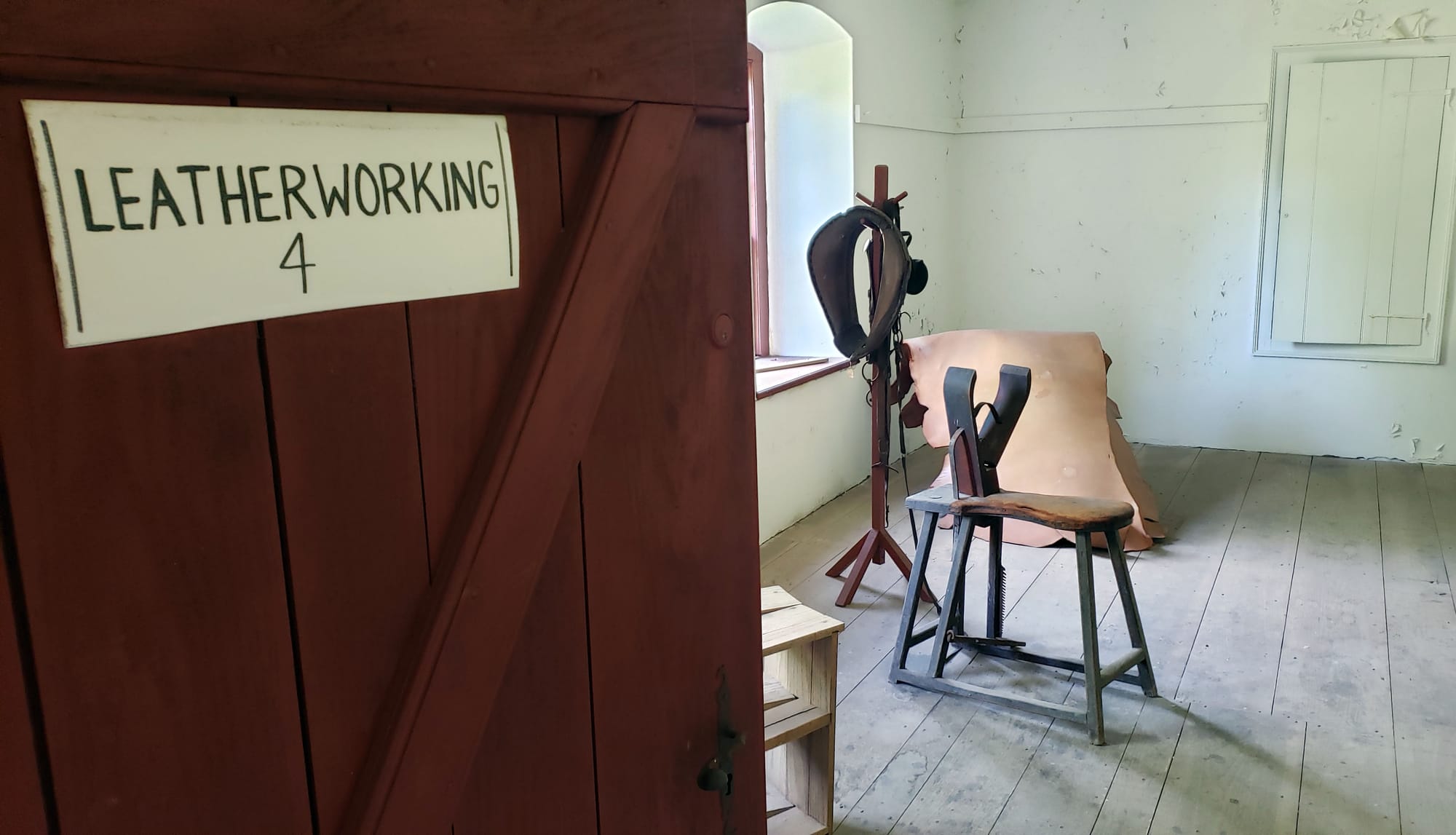
Built in 1761, the tannery was central to the Moravian settlement's early economy, processing roughly 3,000 animal hides annually into shoes, boots, saddles and harnesses. During the American Revolution, the building also helped produce supplies for the Continental Army.
Today, it is the only surviving 18th-century Moravian industrial tannery in the world and forms part of the Moravian Church Settlements–Bethlehem World Heritage Site. It's been closed to the public for more than a decade, Wukitsch said, noting the funding will "kick off the next phase of restoration work necessary to open this historic treasure to our community."
The Local Share Account grant, secured through Rep. Steve Samuelson, D-Northampton, will help prioritize stabilization work and restoration needed to return the building to public use.
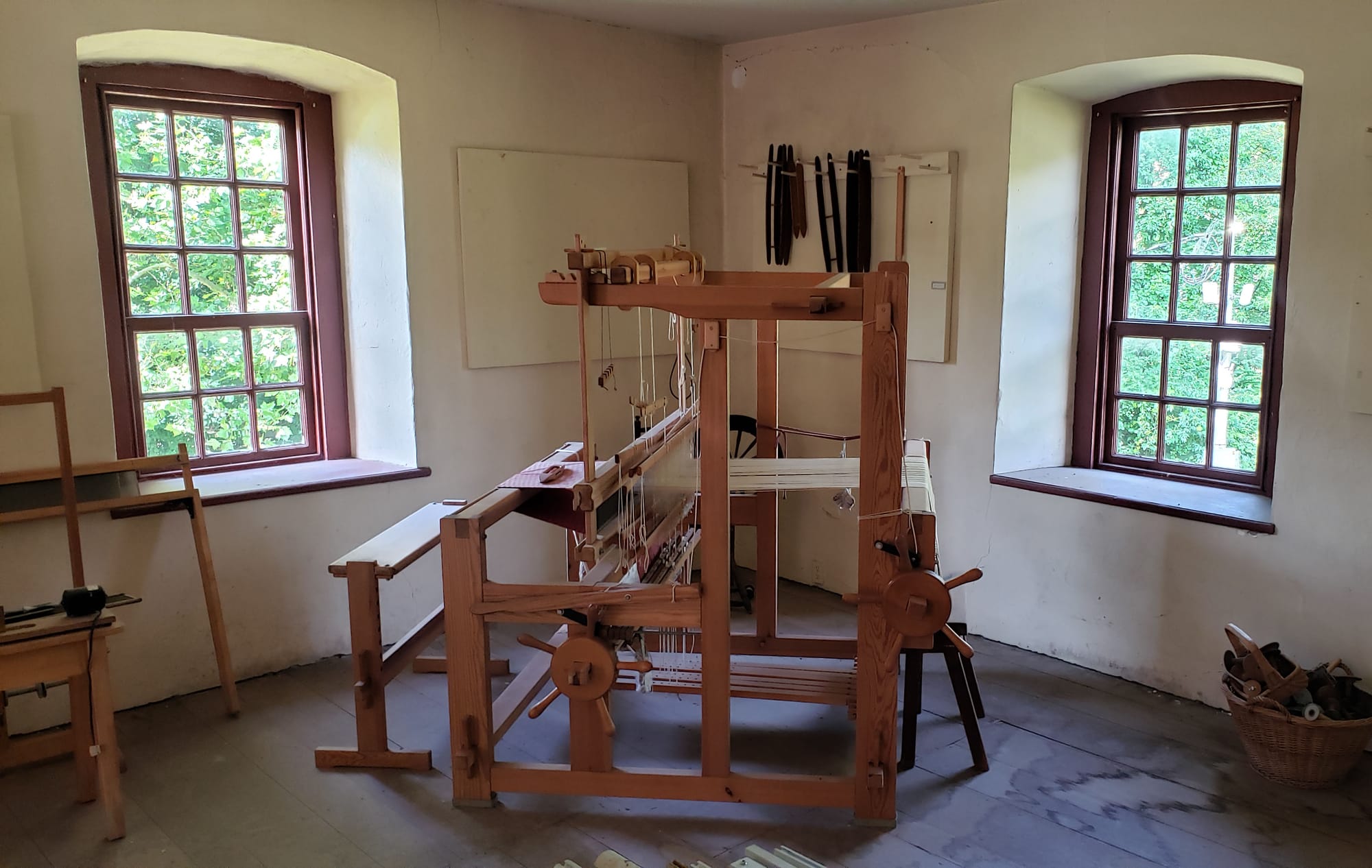
The project follows a separate $63,600 Keystone Historic Preservation Construction Grant awarded by the Pennsylvania Historical and Museum Commission. That work, focused on restoring the building's first floor, is expected to wrap up by the end of September before construction funded through the new grant begins.
Wukitsch said restoration efforts actually began before Bethlehem received its World Heritage designation, with crews first repairing the building's upper floors and roof after years of water damage.
"What's important for the public to know is that we started this restoration on this building before we were inscribed as a World Heritage site," she said.
"We had to mitigate that first before we could focus on the first and second floors," Wukitsch said.
It also will complement the organization's revamped Colonial Industrial Quarter campus, including the new Overlook on History — a glass-enclosed connector linking the Luckenbach Mill and Grist Miller's House that's expected to open this fall.
Wukitsch said the long-term goal is to create a seamless visitor experience allowing guests to explore the Blacksmith Shop, Luckenbach Mill, Grist Miller's House, Tannery and Waterworks as one connected destination while learning about the dozens of trades that helped shape colonial Bethlehem before the United States became a nation.
'Connect people to our shared history'
The investment comes as Bethlehem continues to see growing interest from tourists following last year's World Heritage designation.
From Jan. 1, 2025, through June 21, 2026, Historic Bethlehem Museums & Sites welcomed more than 16,000 paid visitors from all 50 states and nine countries.
"We're excited to see the restoration of the 1761 Tannery move forward," Discover Lehigh Valley President and CEO Alex Michaels said.
"Preserving and reopening historic sites like this helps tell the authentic story of the Lehigh Valley and gives both residents and visitors another reason to explore our communities. These places connect people to our shared history while also supporting local businesses, restaurants, and other attractions nearby."
"Historic preservation is an important part of our tourism strategy because today's travelers look for authentic experiences that reflect the character of a destination," Michaels said. "Investments in these sites help protect our heritage while creating new opportunities for visitation and economic impact."
Wukitsch said visitors routinely come from outside the region — and around the world — to experience Bethlehem's history.
"People come from outside of the region, outside of the country, and they're like, 'Wow, this is fabulous,'" she said.
She said the upcoming America 250 celebration presents an opportunity not only to preserve historic buildings but also to introduce more people to the region's colonial heritage.
Wukitsch said the Lehigh Valley is home to more than 100 historic sites across Lehigh and Northampton counties, and organizations have begun discussing ways to better promote those destinations collectively.
Michaels said those conversations have gained momentum following Bethlehem's World Heritage designation, though they remain in the early stages.
"As for the broader efforts LoriAnn mentioned, those conversations are underway but are still in the early stages," he said. "Following Bethlehem's UNESCO World Heritage designation, interest is growing among many organizations in better connecting and promoting the region's historic assets as a cohesive visitor experience."
Samuelson said preserving the tannery will help ensure future generations can experience one of the nation's most significant surviving industrial buildings from the colonial era.
"I've long been aware of the 1761 Tannery's historical significance as the only extant building of its kind not only in the U.S., but in the world," Samuelson said in a news release. "The efforts to restore the building will allow it to remain an important center of learning for years and years to come."
The project follows another major preservation award announced this month, when Easton secured a $100,000 state grant to help restore the Revolutionary War-era Hooper House, highlighting a broader push to rehabilitate historic sites across the region as interest in America's colonial history grows.