

BETHLEHEM, Pa. — Brad Klein reviews the week’s astronomical highlights with Bethlehem’s "Backyard Astronomy Guy," Marty McGuire.
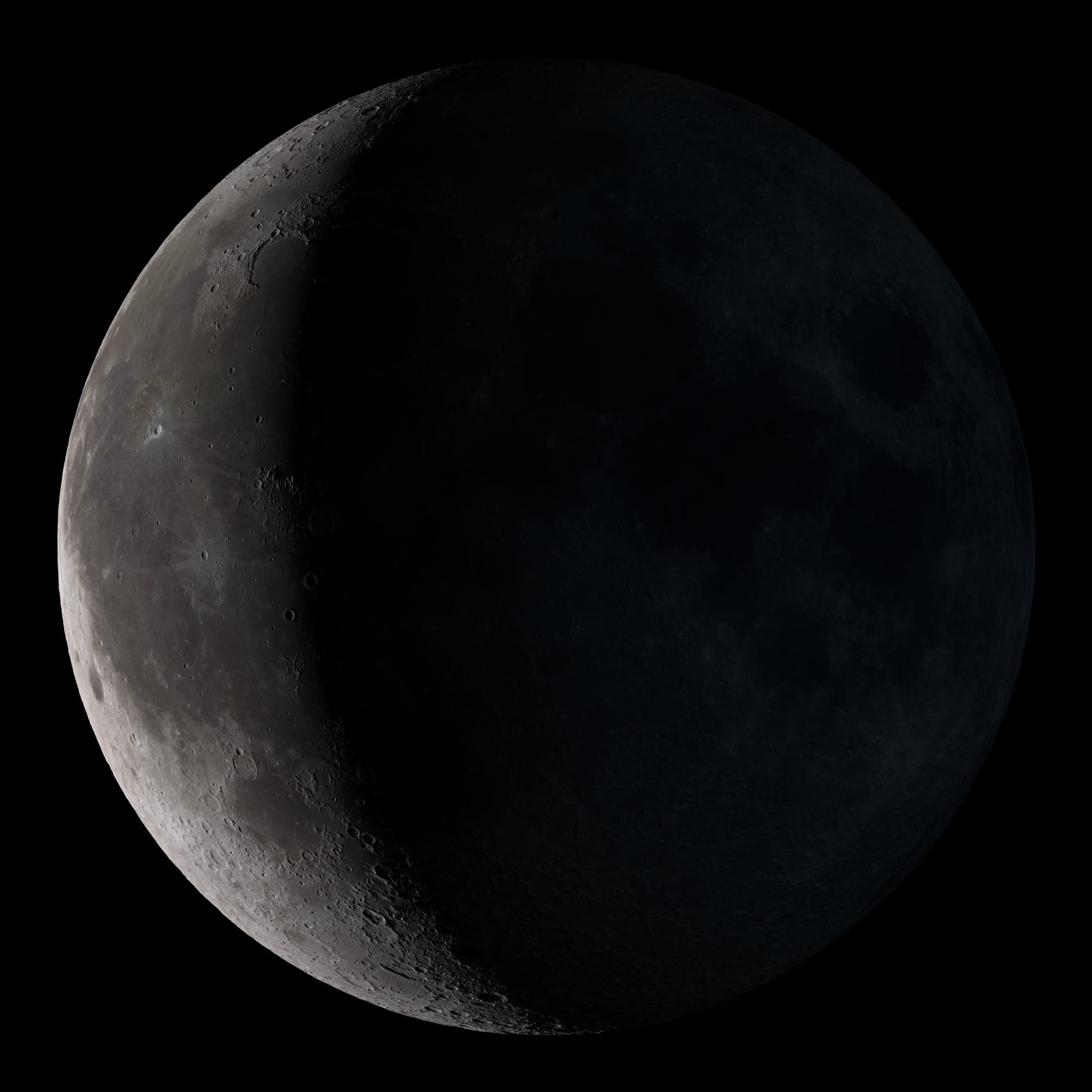
In the early hours of Wednesday morning, Nov. 27, the bright star Spica will be covered by the waning crescent moon. It’s a so-called lunar occultation, as our moon blocks the view of the brightest star in the constellation Virgo.
Spica is one of the 20 brightest objects in the night sky. And it's fairly easy to locate, even without a star chart or an astronomy app.
The curved handle of the Big Dipper in the night sky guides the eye to two other prominent stars. Following the 'arc' of the Big Dipper's handle leads the eye to the star Arcturus. And continuing on that visual path, the next bright object is Spica.
To view the lunar occultation of Spica, you'll probably want binoculars, according to McGuire. At about 5:35 a.m., he said. "You'll see the bright star just disappear from view. It'll flicker out... hidden behind the moon."
And another benefit of getting up so early... you'll have the sunrise to look forward to, shortly thereafter.