

BETHLEHEM, Pa. - Brad Klein reviews upcoming astronomical highlights with Bethlehem’s "Backyard Astronomy Guy," Marty McGuire.
This week, a look at the Orionid meteor shower. It peaks this week on Monday night-Tuesday morning.
The Orionids have a reputation as being among the best meteor showers of the year. Annual meteor showers like this one originate with the debris left over from comets as they orbit the sun.
As the Earth moves through that debris, even tiny dust-sized particles can cause bright streaks in the night sky as they are heated by the planet’s atmosphere.
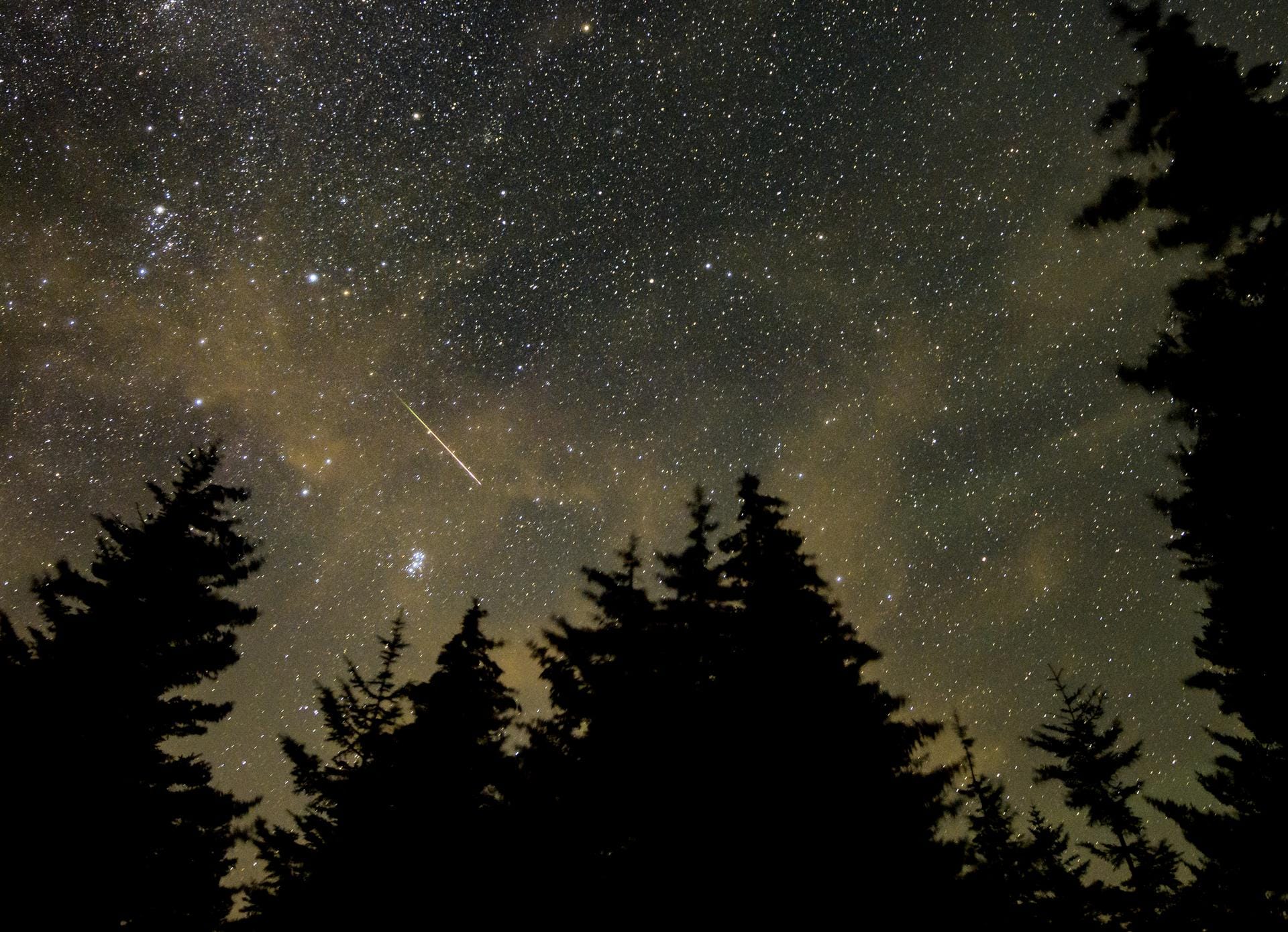
This meteor shower is caused by the Earth’s movement through the debris left behind by the most famous comet of them all, Halley’s Comet.
“It’s called the Orionid meteor shower because [the meteors] appear to originate in the sky from the Orion constellation. More specifically the star, Betelgeuse. But you can see these meteors anywhere in the sky,” McGuire said.
"This year, we have the advantage of a new moon so that moonlight will not outshine any meteors. So if you can find a dark sky with limited city lights to interfere with your viewing, get comfortable, let your eyes adjust to the darkness, and see if you can spot a ‘falling star!’"