

BETHLEHEM, Pa., — Brad Klein reviews the week’s astronomical highlights with Bethlehem’s ‘Backyard Astronomy Guy,’ Marty McGuire. This week, a look at NASA’s ambitious, robotic space mission, Europa Clipper, which could launch as early as October 10.
Europa has long been an object of intense curiosity among our solar system’s planets and moons. It’s frequently visible through high quality binoculars, one of the four so-called Galilean moons that appear as tiny points of light to either side of the bright planet, Jupiter.
“This robotic spacecraft's main science goal is to determine whether there are places below the surface of Jupiter's icy moon Europa that could support life,” according to McGuire.
“Scientists are pretty sure there's a liquid ocean beneath the icy crust of this moon and where there's water, that is good indications that it might have the conditions to support life.”
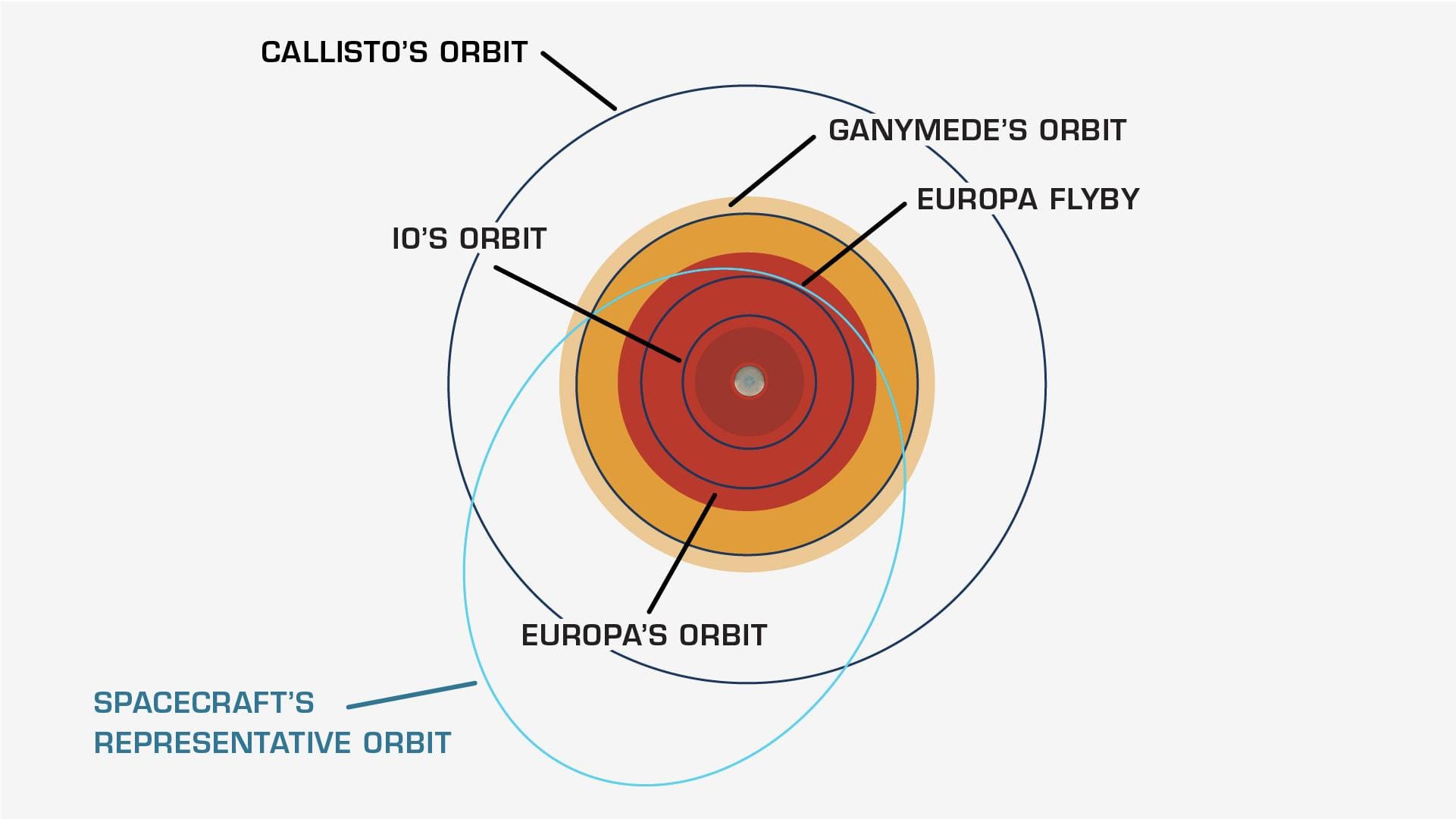
The spacecraft will actually be in orbit around the planet Jupiter, but its orbit will repeatedly bring it close enough to Europa to return stunning photos and data to Earth. Its closest approach will be about 16 miles from the icy surface of Europa.
Fans of astronomy will need patience though. The robotic spacecraft will not enter its destination orbit until April of 2030, according to McGuire.