

BETHLEHEM, Pa. — Steel was hammered, stories were told and bricks were laid in the Colonial Industrial Quarter this week, during Junior Craftsmen Along the Monocacy.
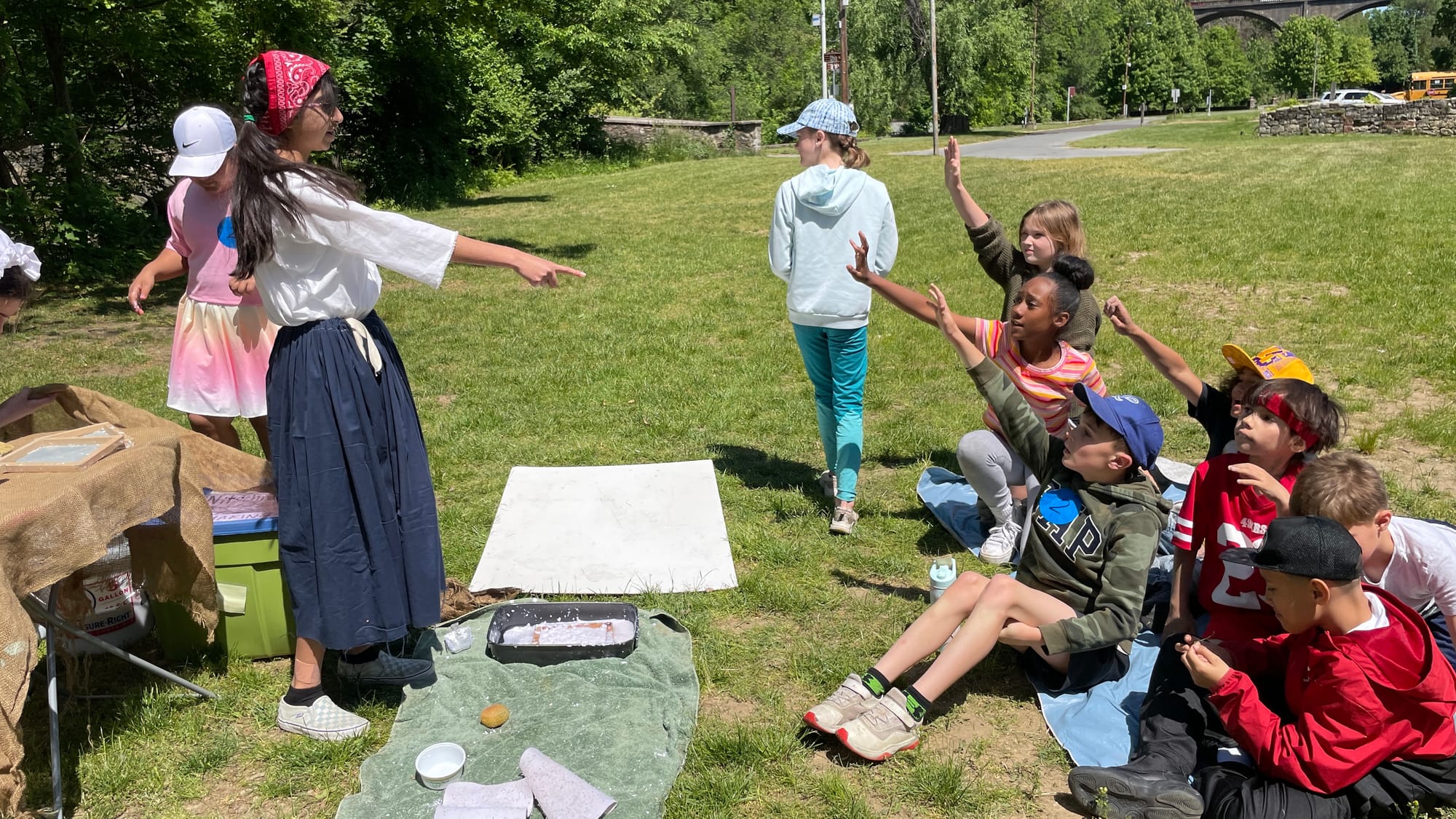
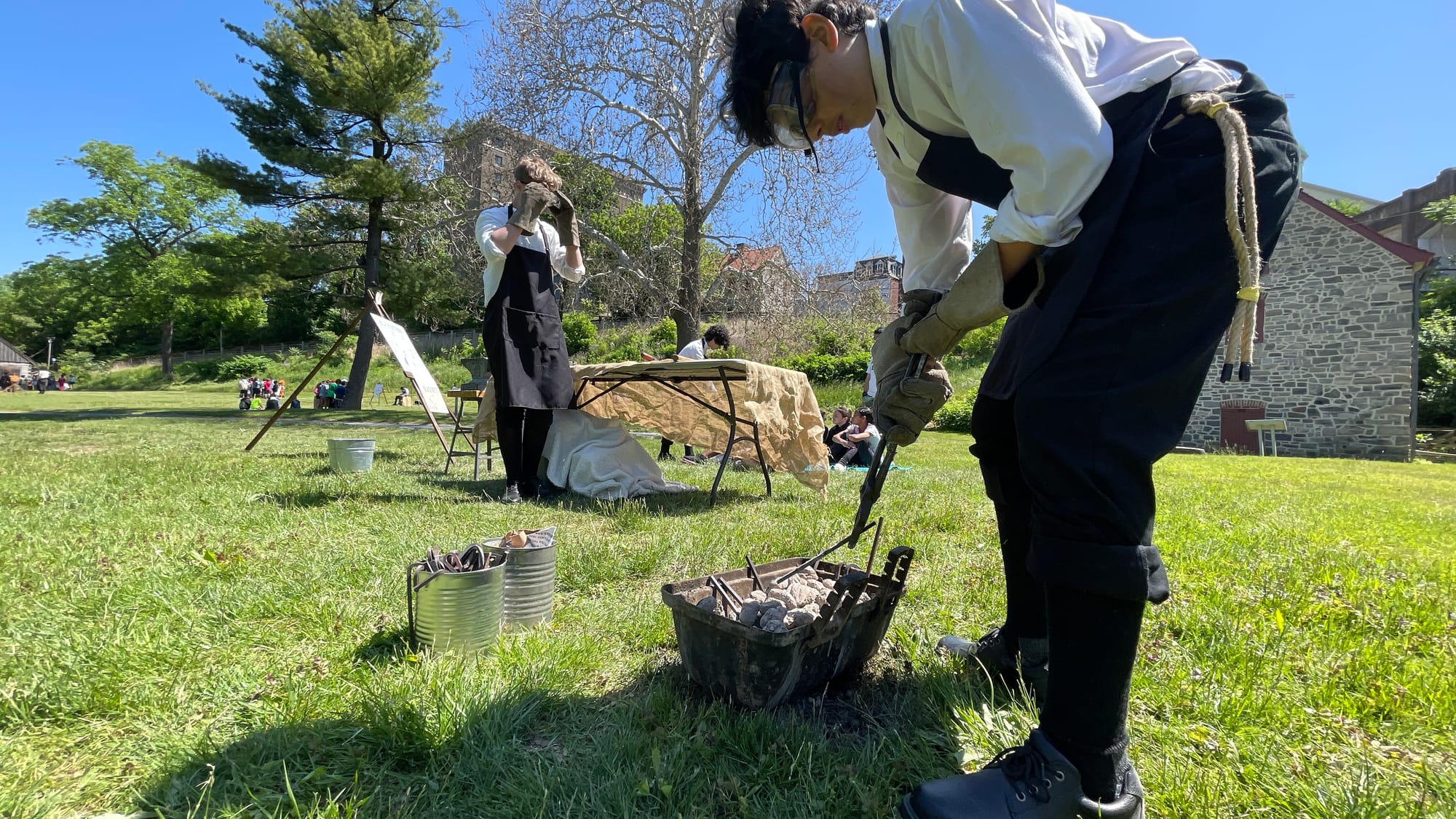
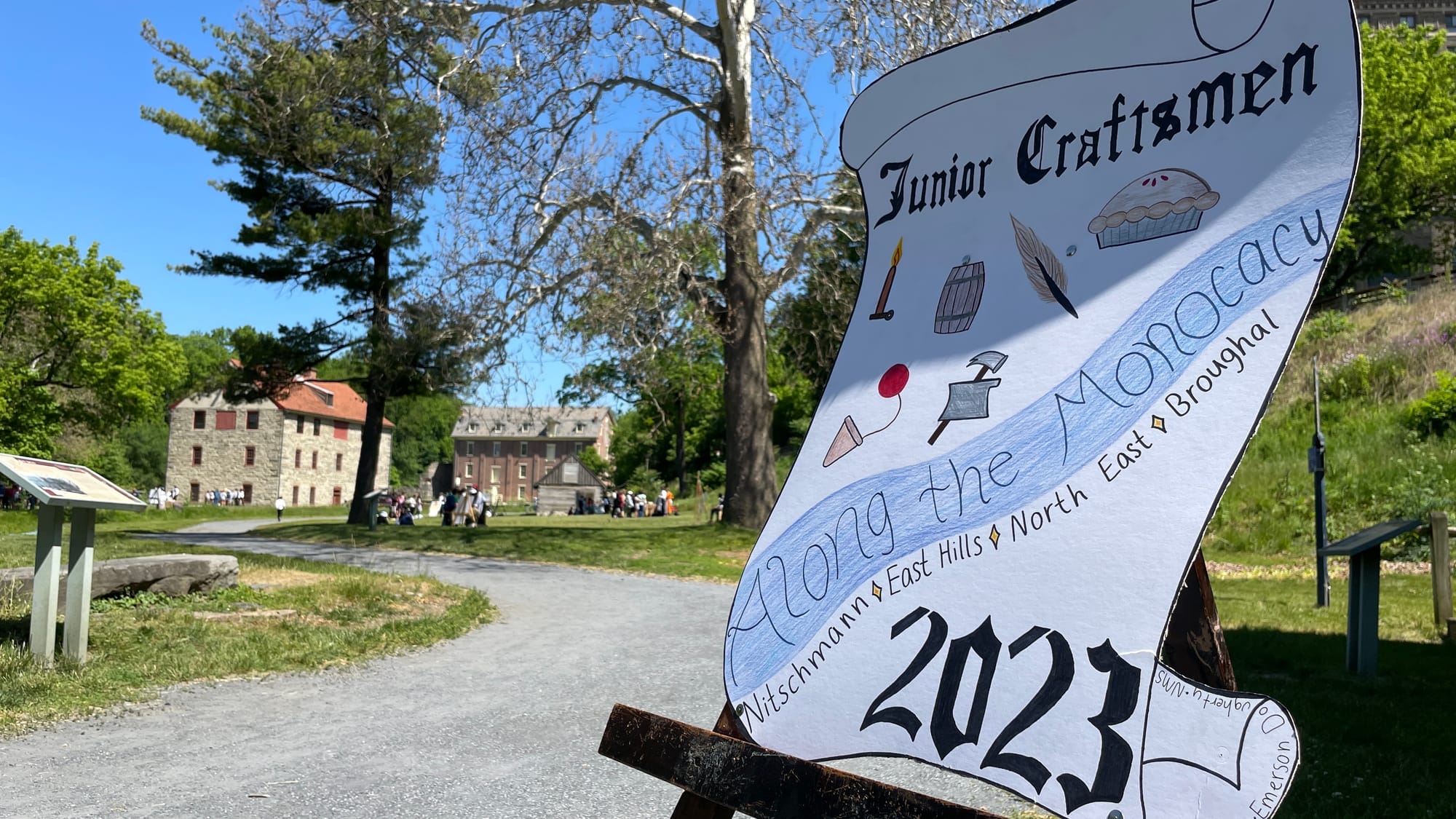
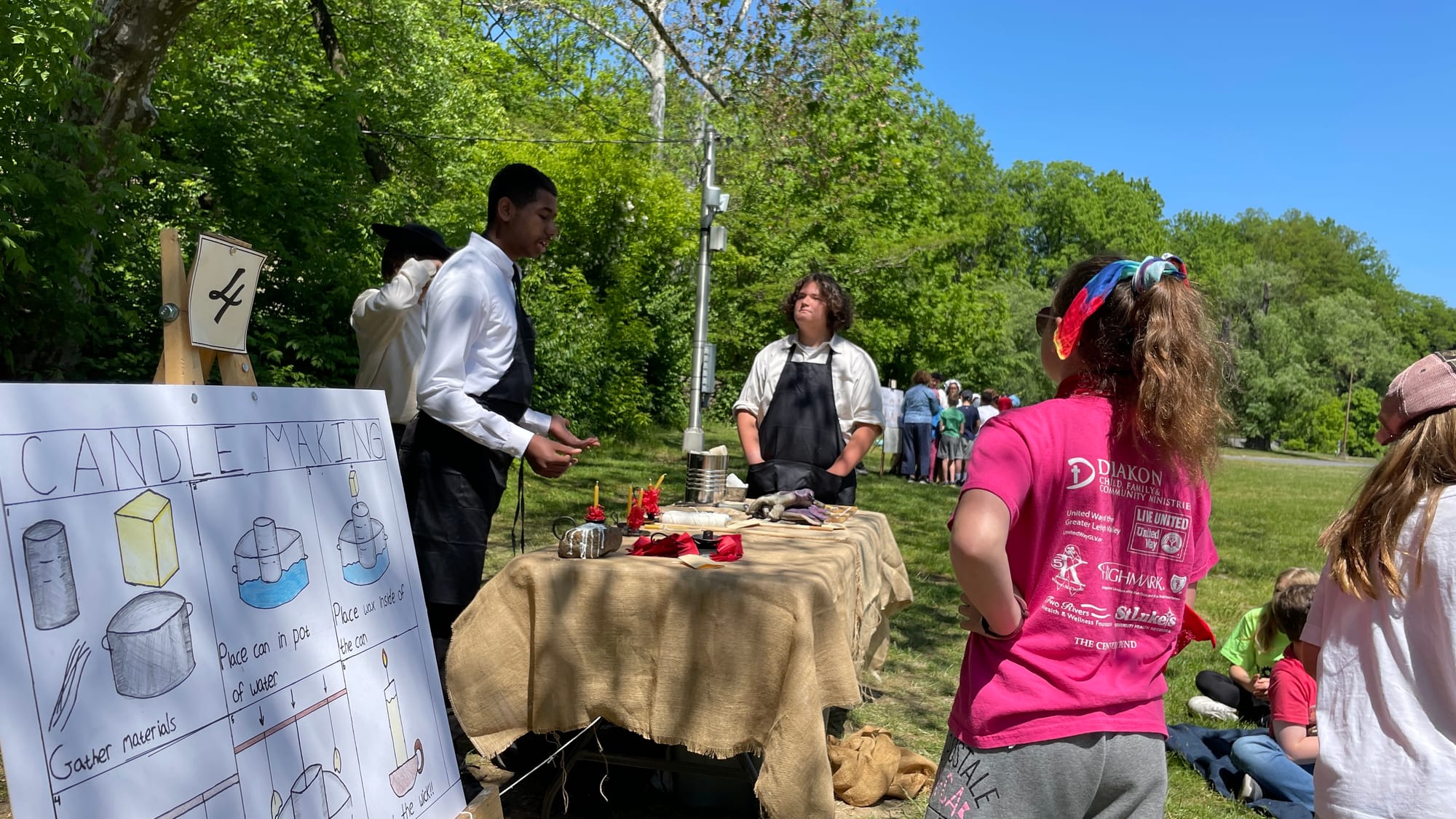
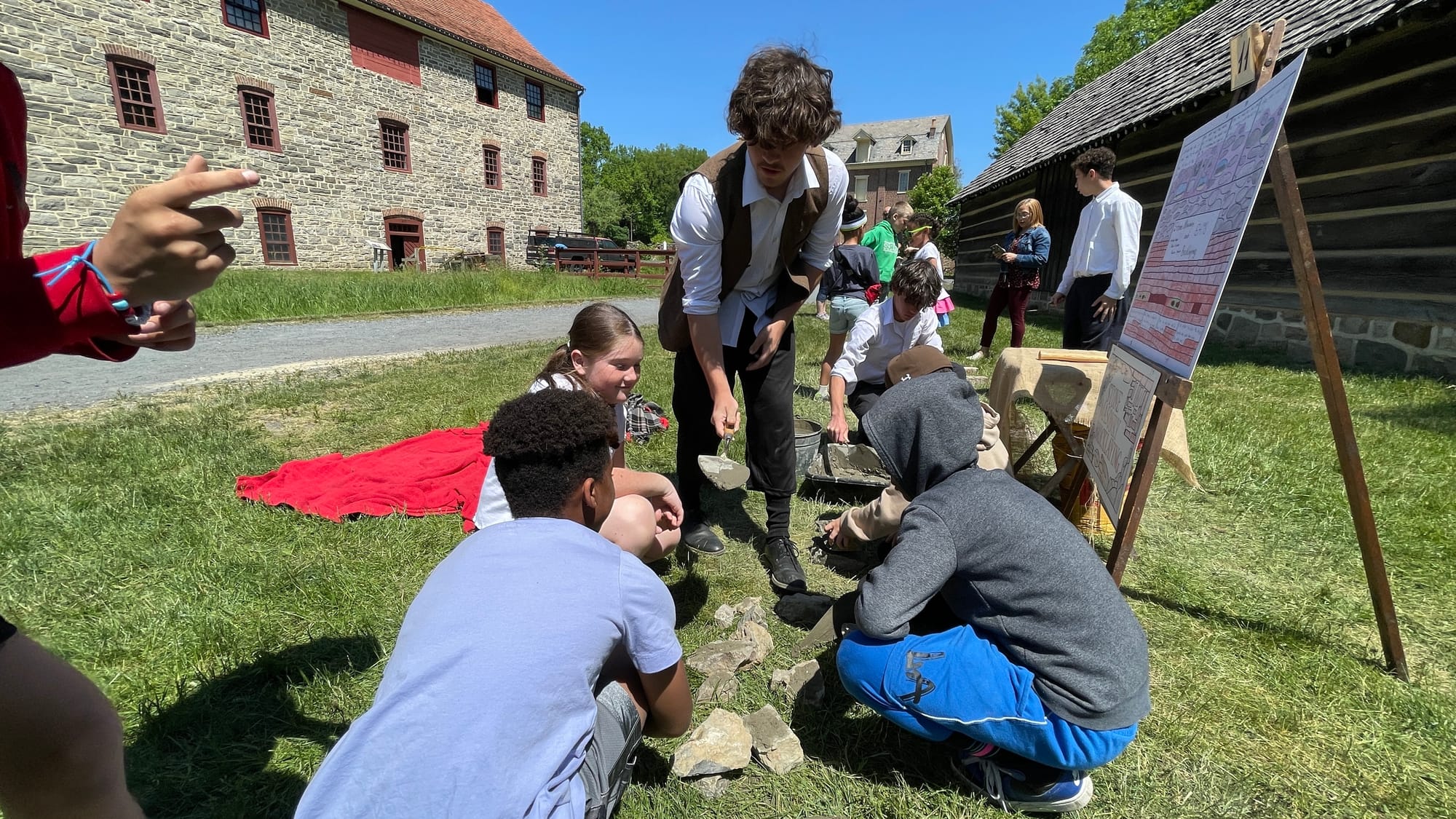
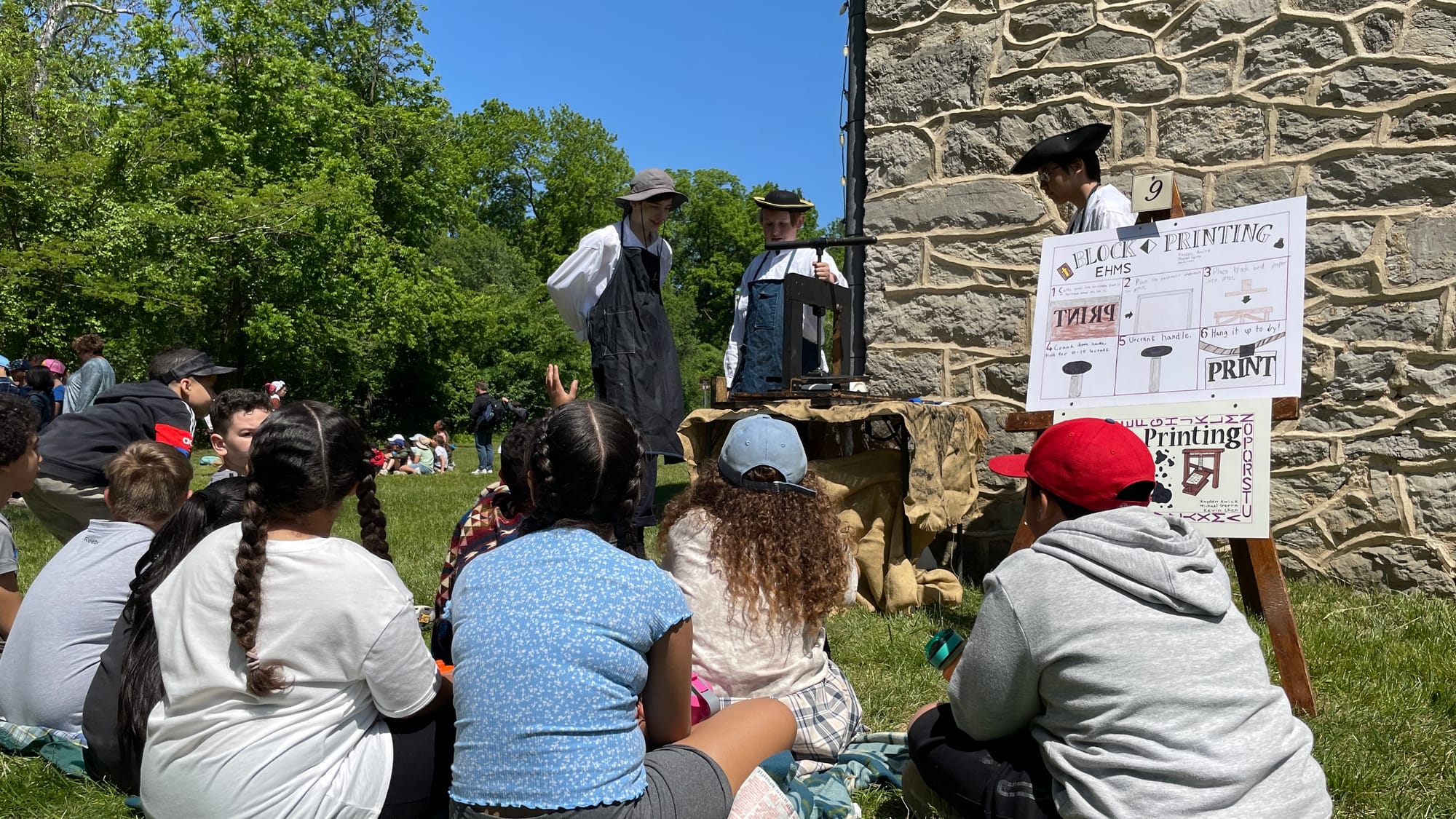
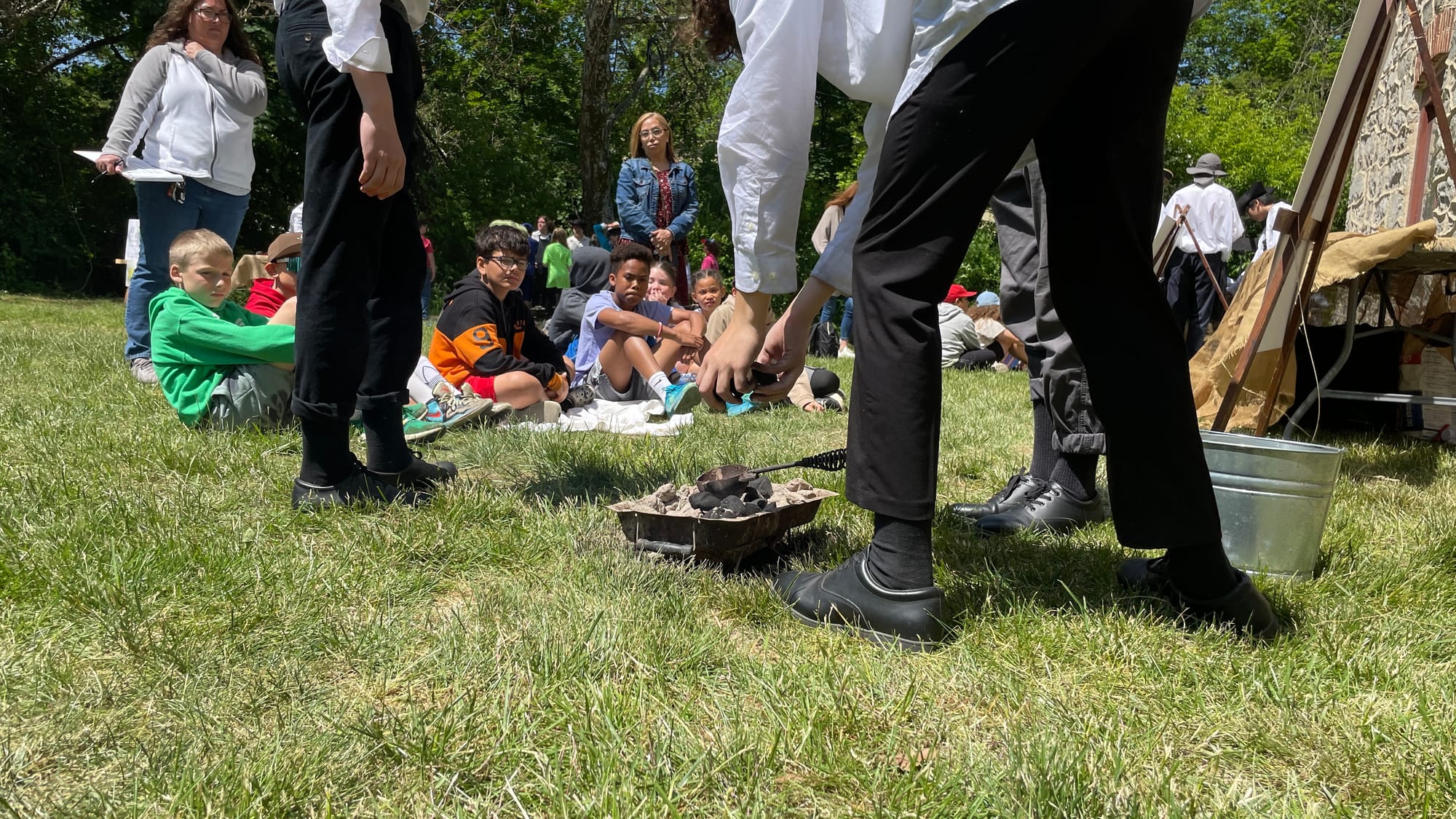
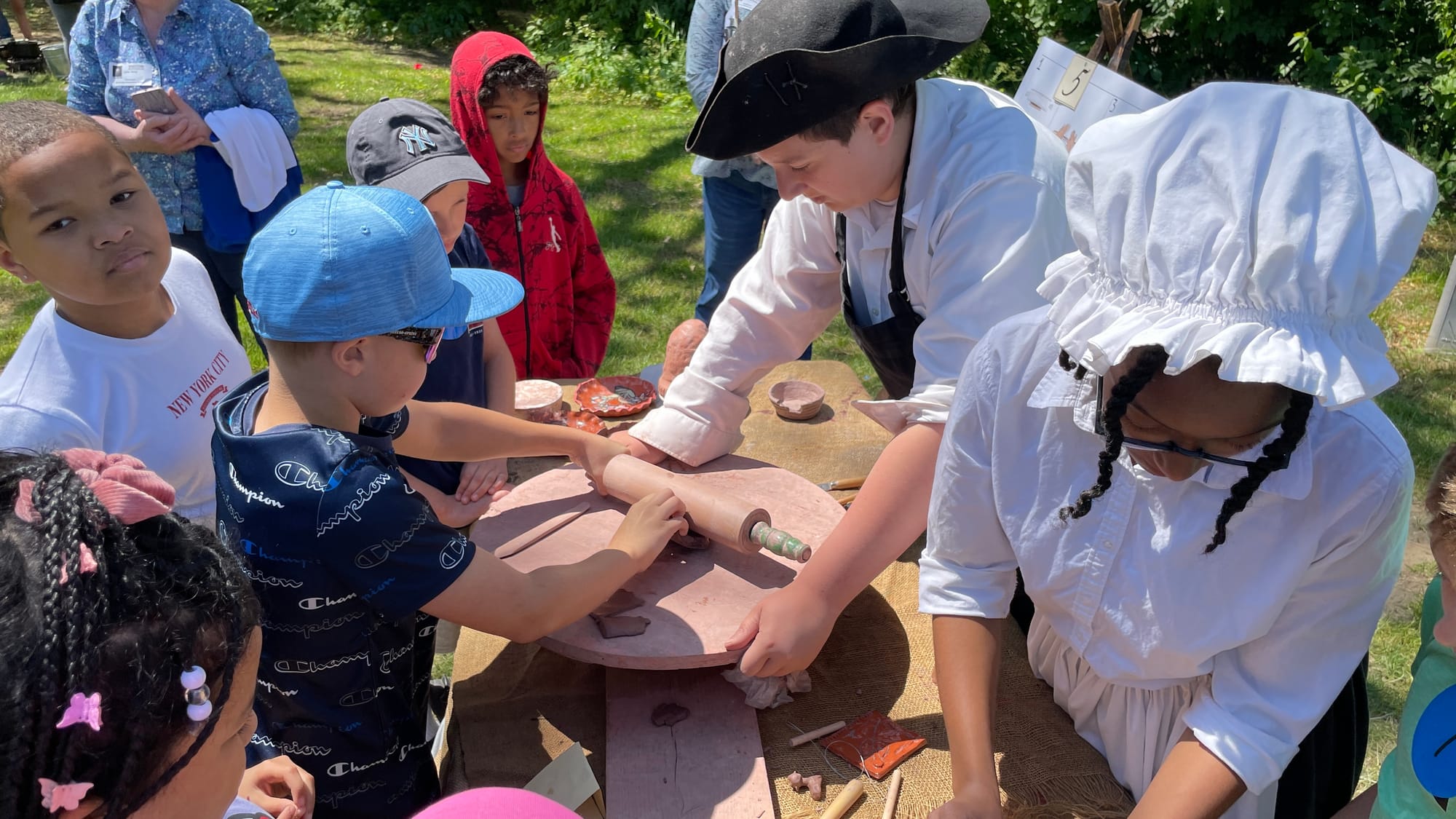
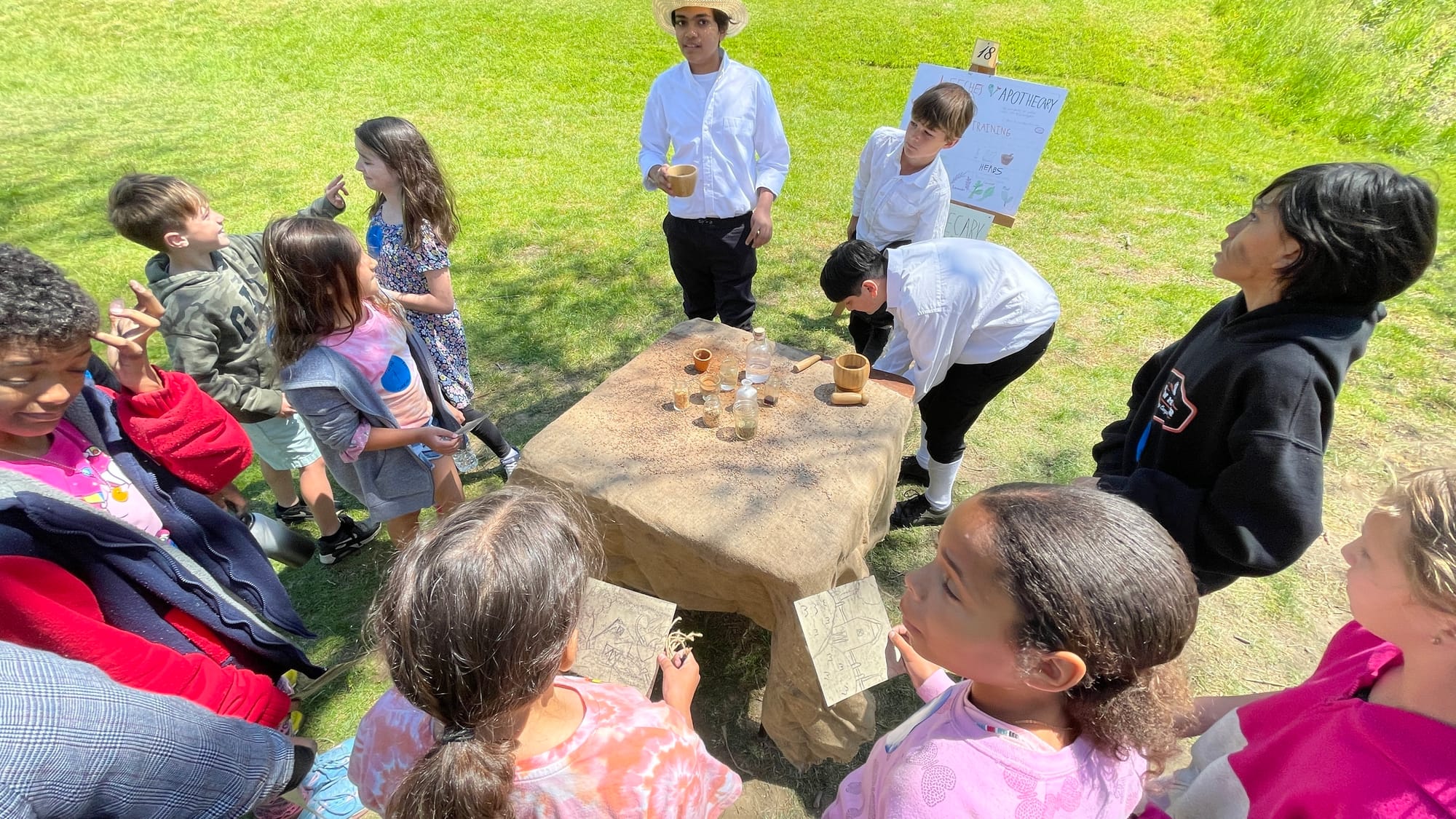
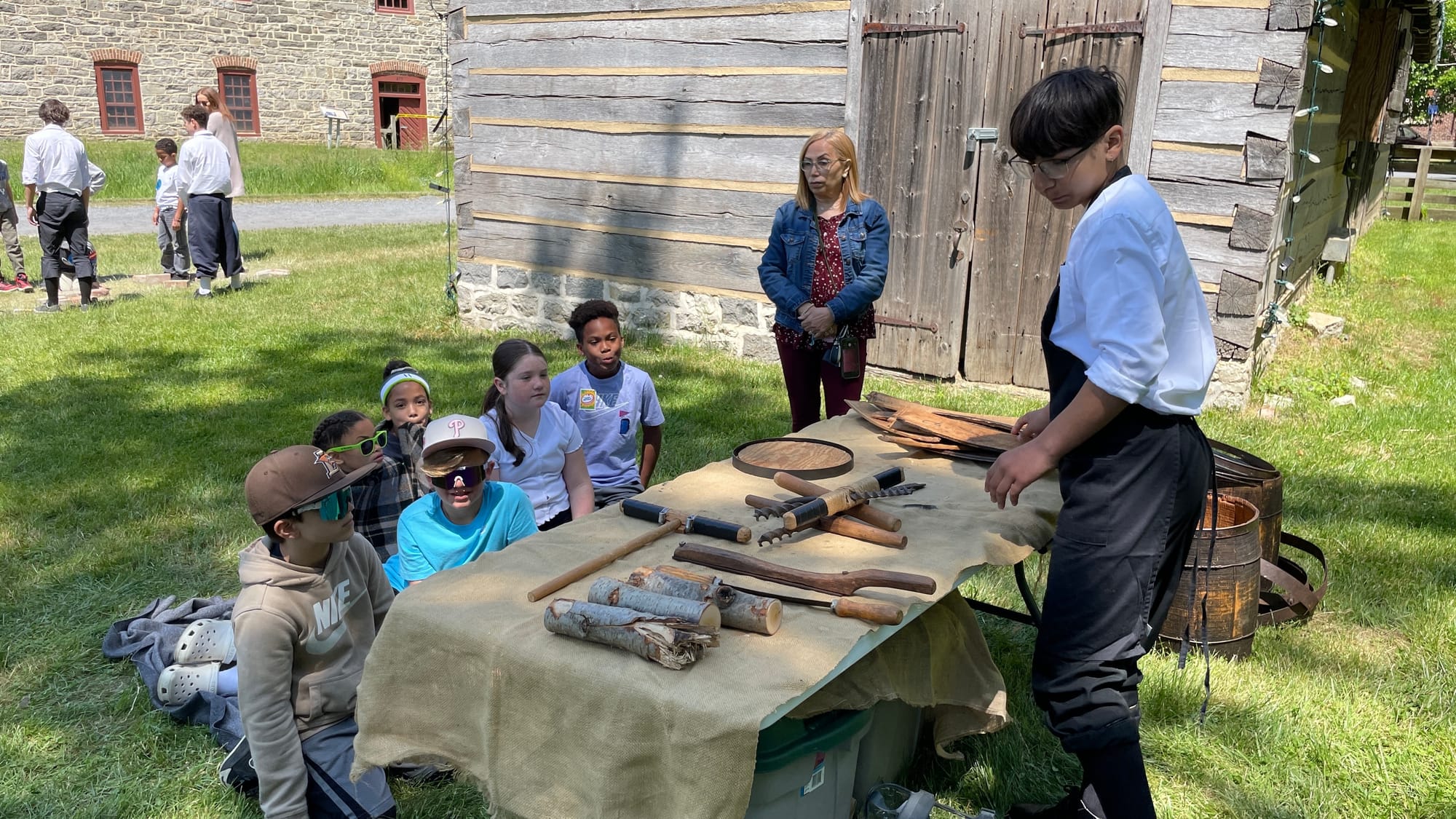
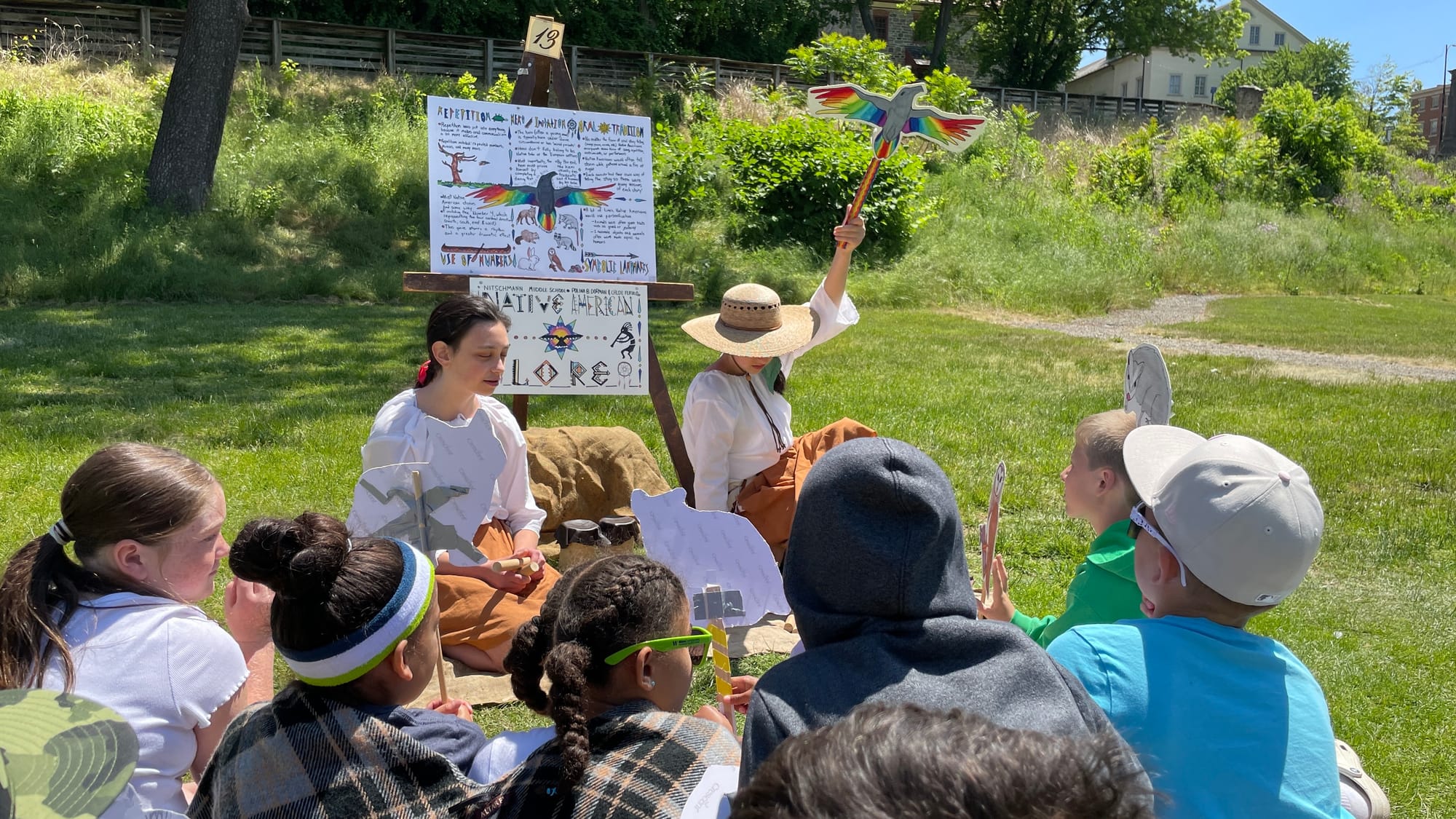
As part of the event, about 55 eighth-grade students in the gifted programs from Bethlehem Area School District’s four middle schools — Northeast, Nitschmann, Broughal and East Hills — taught colonial history to area fourth graders from 16 schools.
- Hundreds of Bethlehem students taught, learned colonial history in the Colonial Industrial Quarter on Thursday
- Students learned about a variety of topics as they were in colonial Bethlehem
- Junior Craftsmen Along the Monocacy has been an area school event since the 1980s
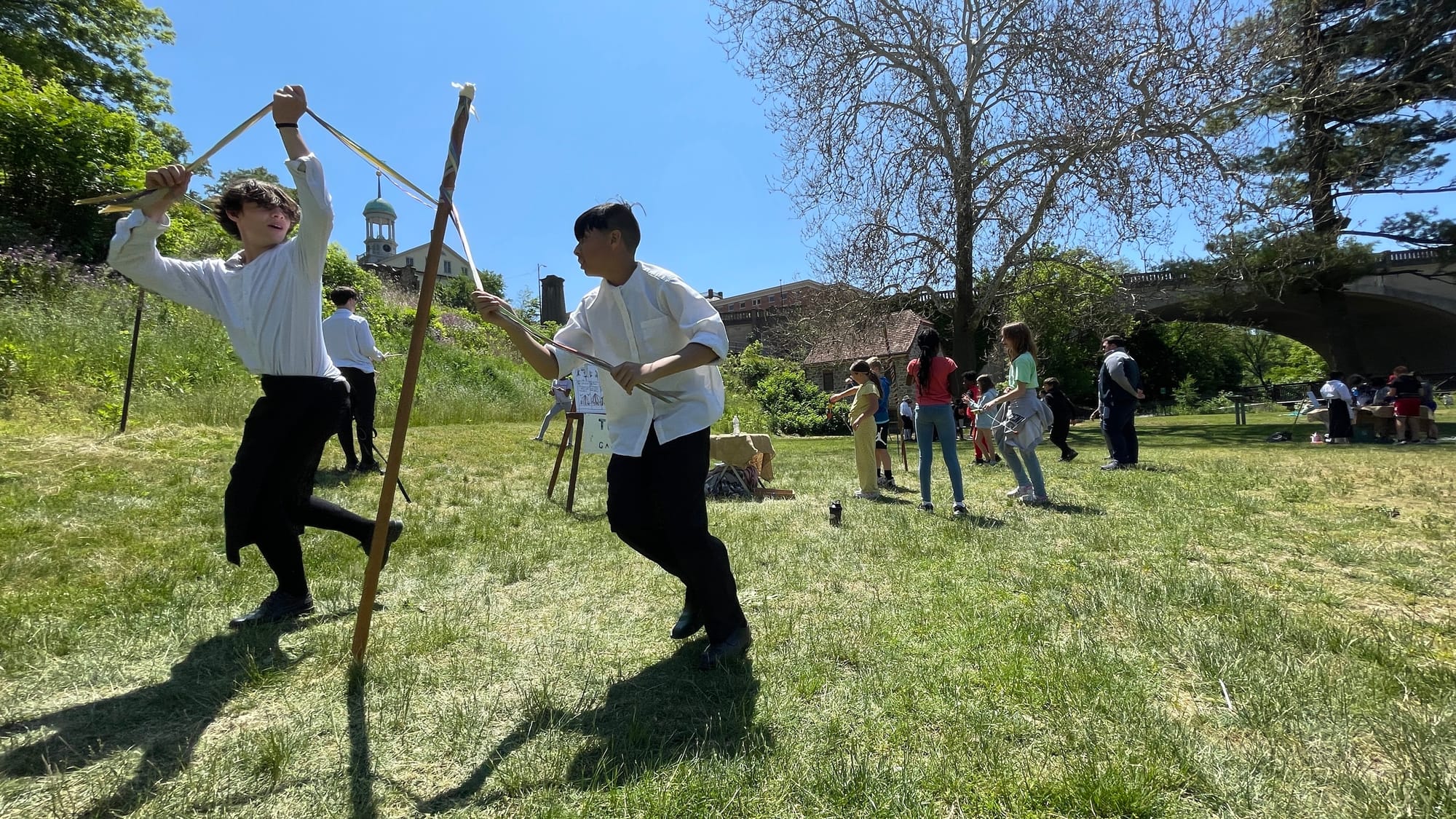
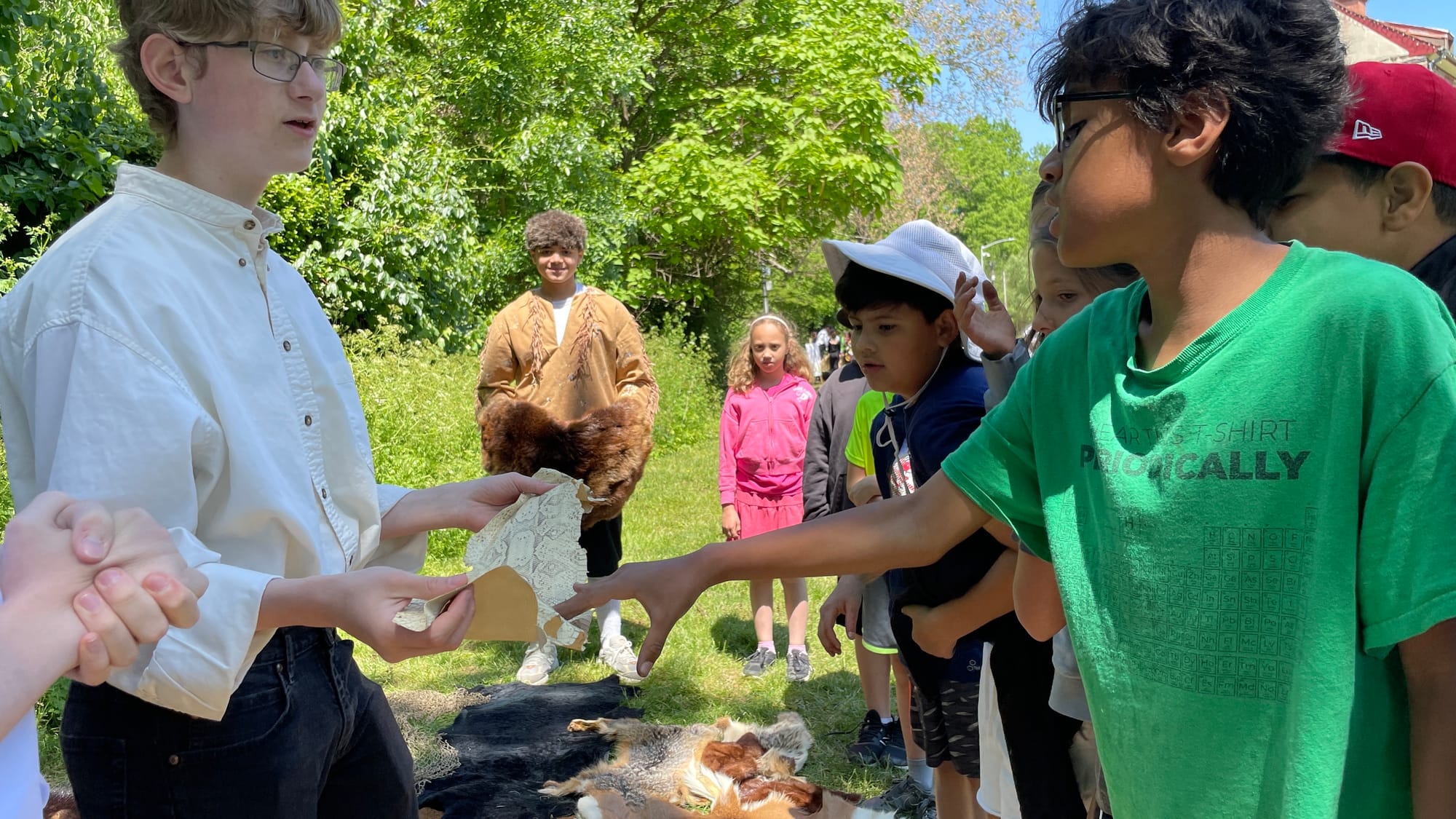
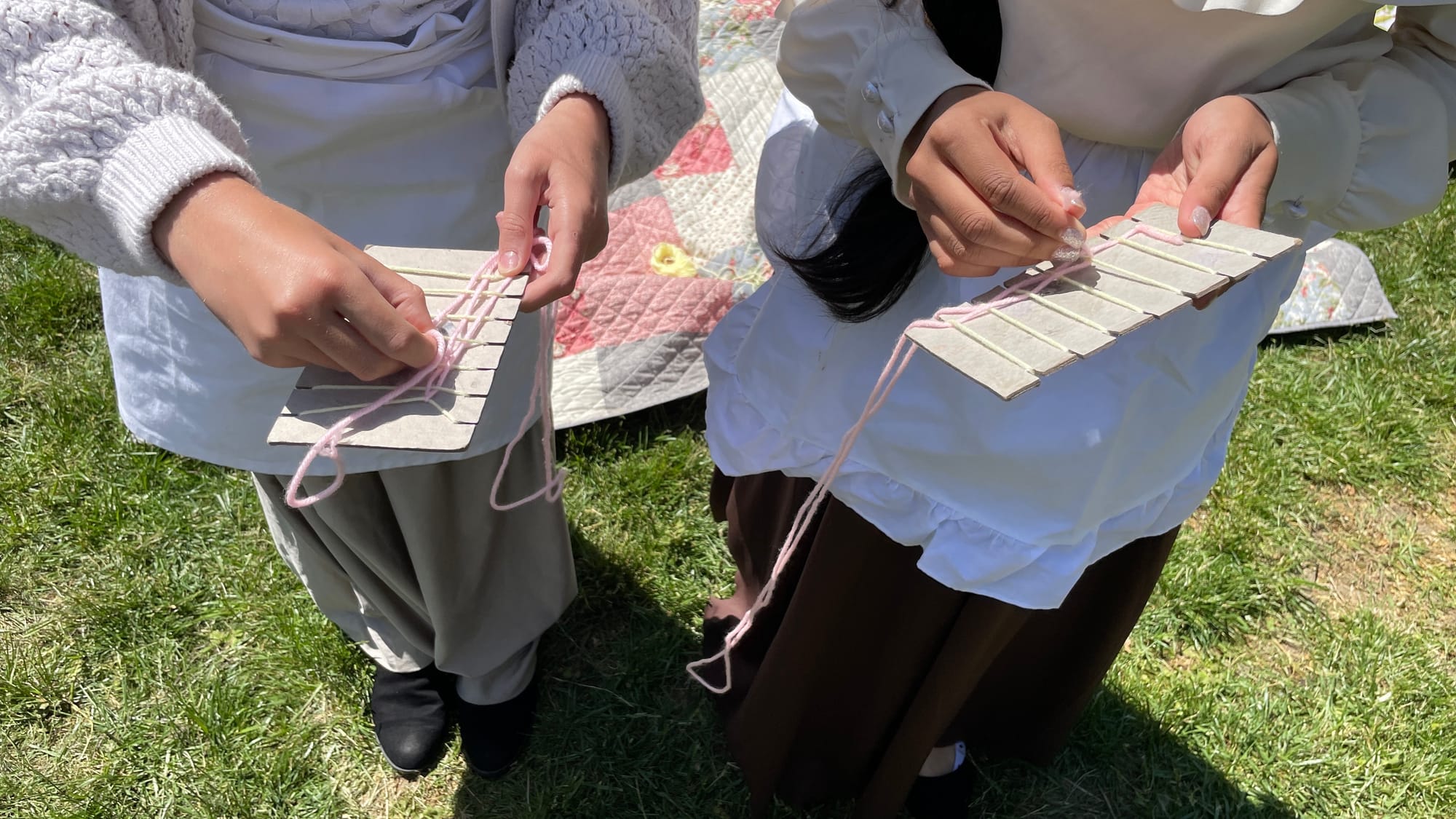
On Thursday, as the second day of the program, students were instructed on a variety of topics as they were done or told hundreds of years ago, including: blacksmithing, ropemaking, bricklaying, weaving looms, silversmithing, pottery, block printing, papermaking, Native American lore, apothecaries, candle making, brewing and coopering, scribing and sealing, as well as hunting and fishing.
Along with the historical information being shared, the students were welcomed to “improvise” their own costumes.
While the students donned period-appropriate garb, certain stations even used authentic tools. The program head said locals and museums have donated the tools over the years for use by the students.
Student specialists
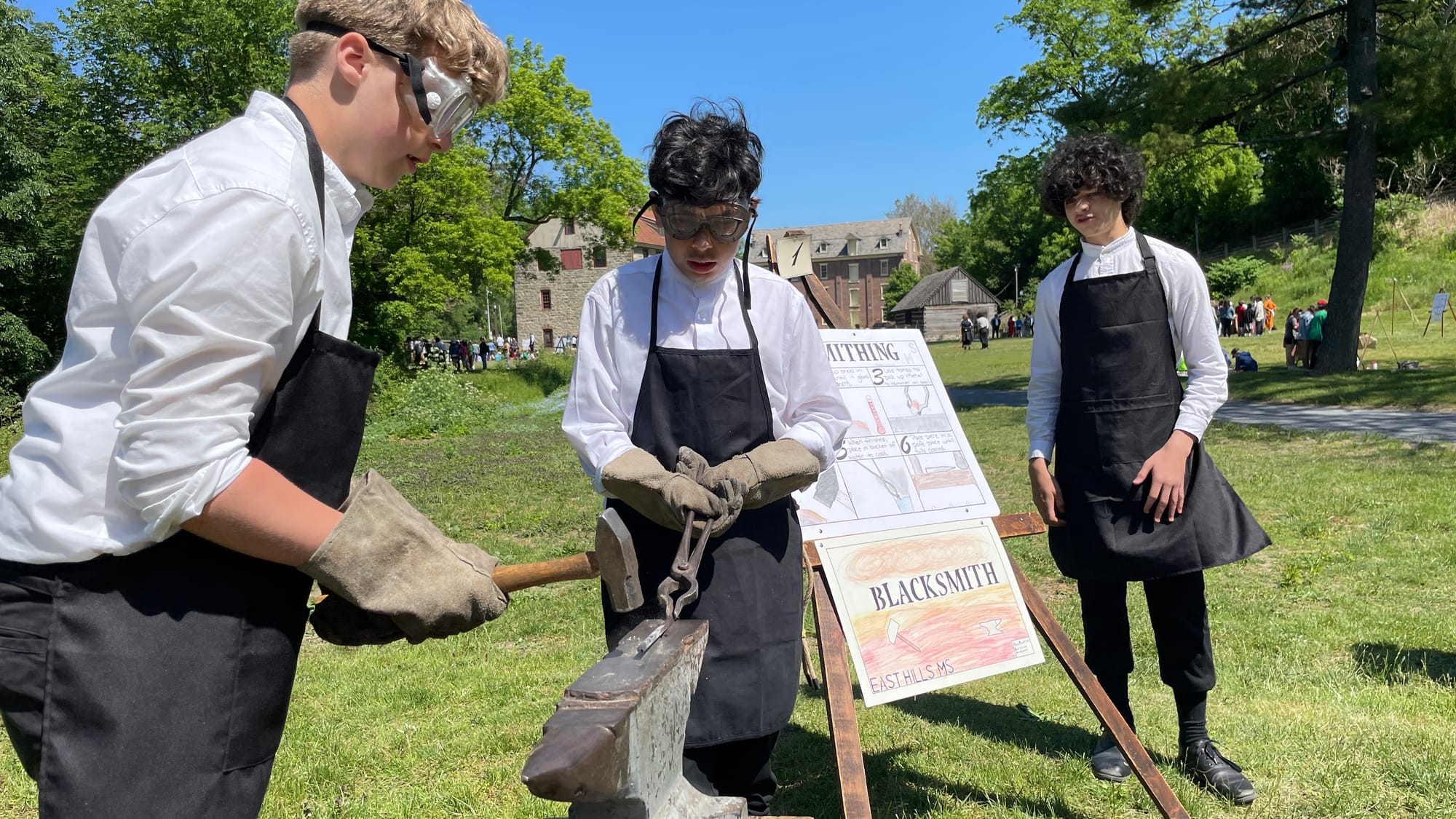
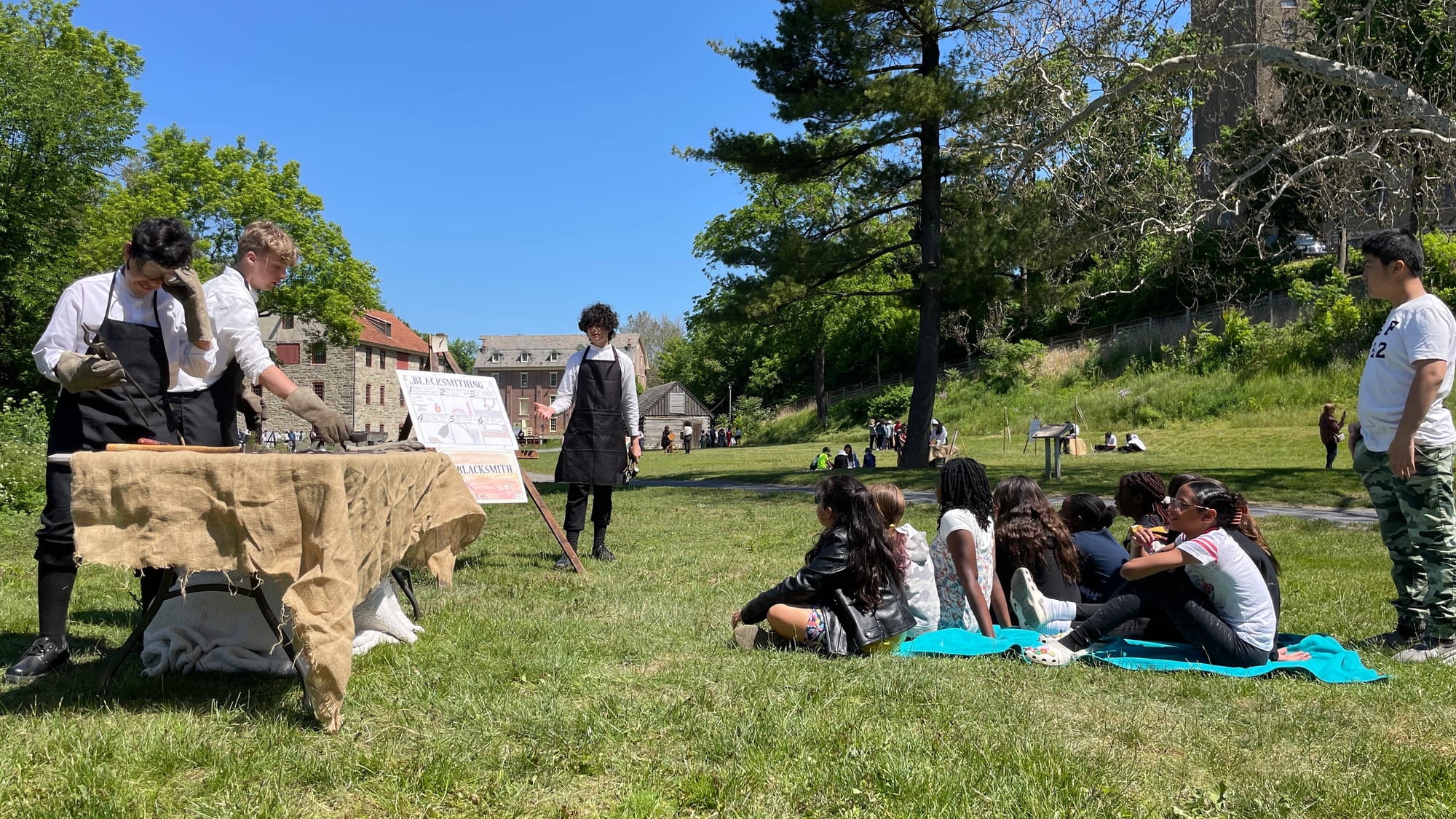
East Hills students Wyatt Cole, Heinz Schmitt and Aiden Monteiro teamed up to show the fourth-graders about the art of blacksmithing. Their specific goal of the day was chisel-making.
Monteiro explained that the process essentially involved six steps:
- Gathering an anvil, hammer, metal and tongs along with starting a fire
- Heating up the steel until it glows red
- Using tongs to pick up the metal and moving it to the anvil, hammering until the edge is flat and reheating if it gets too cool
- Placing the hammered piece in a bucket of water to cool
- Setting it aside out of the water
“Now, we just sort of traveled way back before, we could see the big difference between how metalworking completely changed in like 200 years.”
Heinz Schmitt, East Hills Middle School student
Cole said the team was inspired to pursue the craft after completing a separate project about the history of Bethlehem Steel Corp.
“Now, we just sort of traveled way back before, we could see the big difference between how metalworking completely changed in like 200 years,” Schmitt said.
Sharp scholars
East Hills students Kathryn Ryer, Amirah Khellawan and Olivia Caleca specialized in weaving looms, and how certain materials could be used to patch together a variety of items.
They explained that the craft came about during the Revolutionary War, as colonists were looking to avoid paying the high British taxes on textiles, clothes and other cloth products.
The colonists would shear the wool off of sheep and grow materials for cloth, and Native Americans taught them how to dye the material using berries, insects and roots, Khellawan said.
“We use these weaving techniques to make wagon covers, bags, clothes, blankets before the cotton gin was invented and machines were used to make those things. And it was very meticulous and burdensome work because everything had to be done by hand.”
Amirah Khellawan, East Hills Middle School student
“We use these weaving techniques to make wagon covers, bags, clothes, blankets before the cotton gin was invented and machines were used to make those things,” she said.
“And it was very meticulous and burdensome work because everything had to be done by hand.”
“I like the concept because plenty of people make those kinds of quilts because colors or patterns remind them of certain things,” Ryer added.
“So if they went to the beach, they made a square at the beach and they put it on their quilt as a reminder of what they did.
“It’s like a scrap — but for comfort.”
Caleca then showed the “over-under” technique, with which they weaved going across one row before turning back the other direction, repeating until complete.
Points from the program head
Dr. Tammy McDonald, gifted seminar teacher at East Hills, said ever since the first event showing in the 1980s, it's made for an applicable learning opportunity for not only the younger kids but also the older ones doing the teaching.
“I think it’s an excellent experience to give kids a leadership role, to give these students a chance to be leaders and to learn presentation skills, learn how to speak to other people and take on that teaching role so they can actually utilize what they’ve learned and apply it to something real life."
Tammy McDonald, gifted seminar teacher at East Hills Middle School
“I think it’s an excellent experience to give kids a leadership role, to give these students a chance to be leaders and to learn presentation skills, learn how to speak to other people and take on that teaching role so they can actually utilize what they’ve learned and apply it to something real life,” McDonald said.
If you have a piece you’d like to donate to the Junior Craftsmen Along the Monocacy program, email McDonald at tmcdonald@basdschools.org.