

BETHLEHEM, Pa. — Brad Klein reviews upcoming astronomical highlights with Bethlehem’s ‘Backyard Astronomy Guy,’ Marty McGuire.
This week, how to spot the first traces of the young crescent moon that marks the end of the Islamic holy month of Ramadan.
For astronomers, the ‘new’ moon generally refers to the moment when the moon is directly between the sun and Earth. At that moment, it is invisible to observers on Earth, except during an eclipse of the sun.
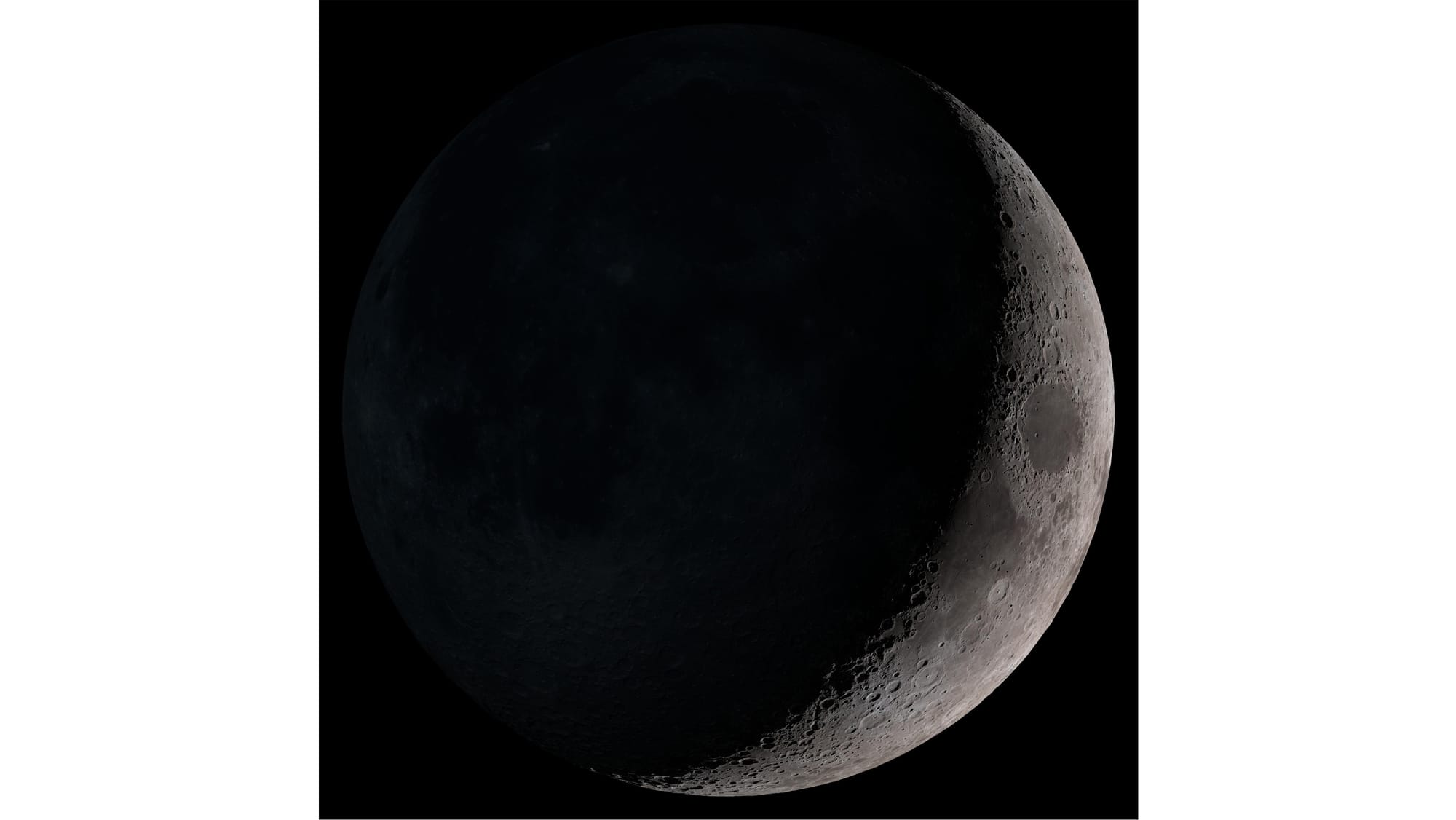
But in common usage, the ‘new’ moon sometimes refers to the first visible crescent after an astronomical new moon. And that first sighting of the young crescent moon plays an important role in a number of traditions and religious observances.
On Sunday night, March 30, that young moon will be seen as a very thin crescent with only 3% of the Earth-facing side illuminated. That grows to about 9% on Monday evening, and 16% Tuesday night.
On all of those days, the moon is above the horizon for most of the day, but invisible in daylight.
“But then once the sun sets, look toward the west, and you should be able to see that young and growing crescent moon,” McGuire said. “Just look up from the west after sunset.”