Welcome to the new home of Lehigh Valley Public Media.
If you’re looking for LehighValleyNews.com, you’re in the right place — welcome to Lehigh Valley Public Media, your source for trusted local news, newsletters, and community connection.
Meet the Lehigh Valley man who's been tracking 40 years of climate change from his backyard
A decade or so after buying his South Whitehall Township home in the late 1960s, Fred Buse started recording the average temperature, precipitation type and amount, as well as any animal sightings in his backyard to study and track the health of the local environment.
SOUTH WHITEHALL TWP., Pa. — Fred Buse has watched the progression of climate change in the Lehigh Valley from his kitchen table.
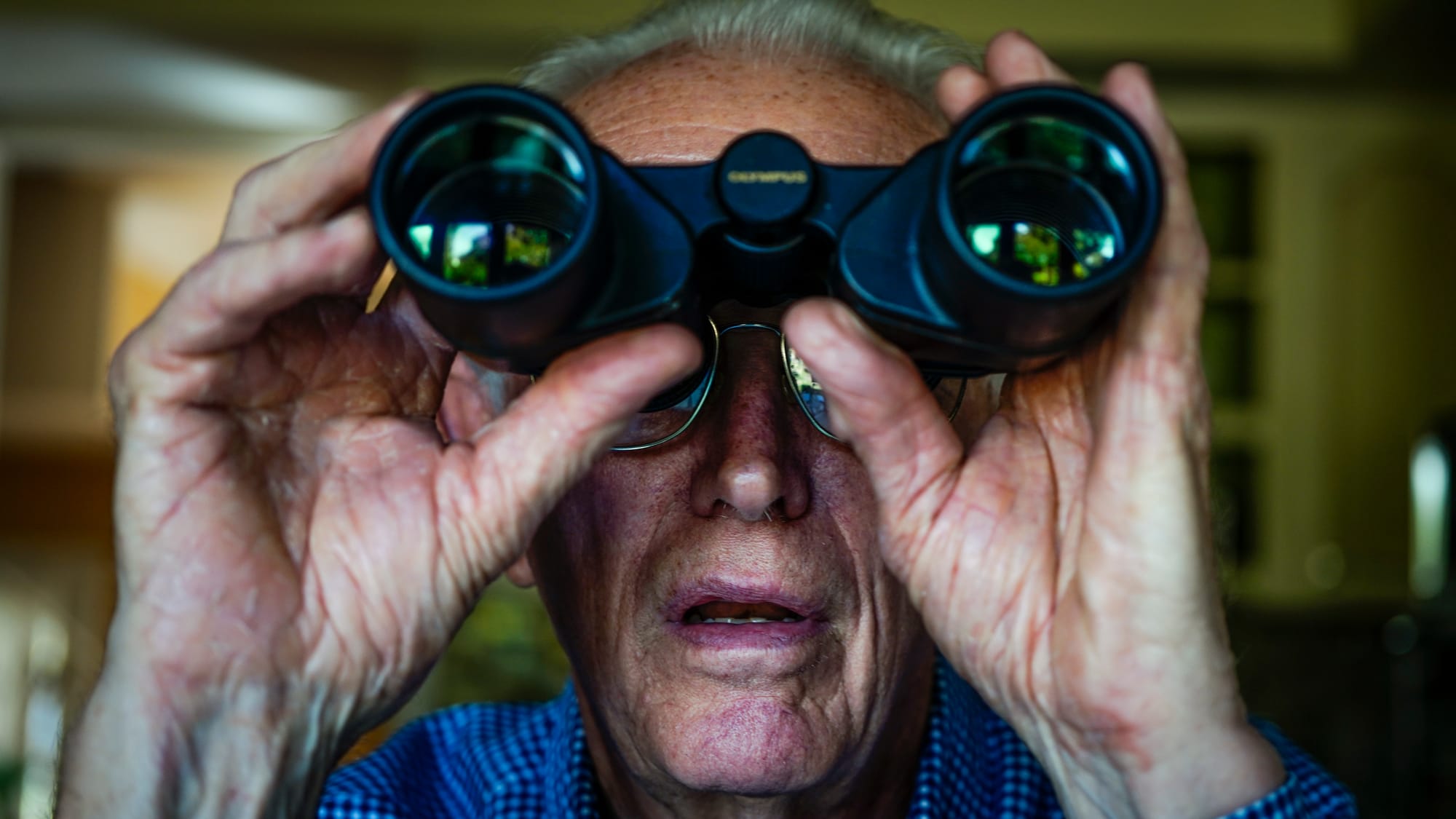
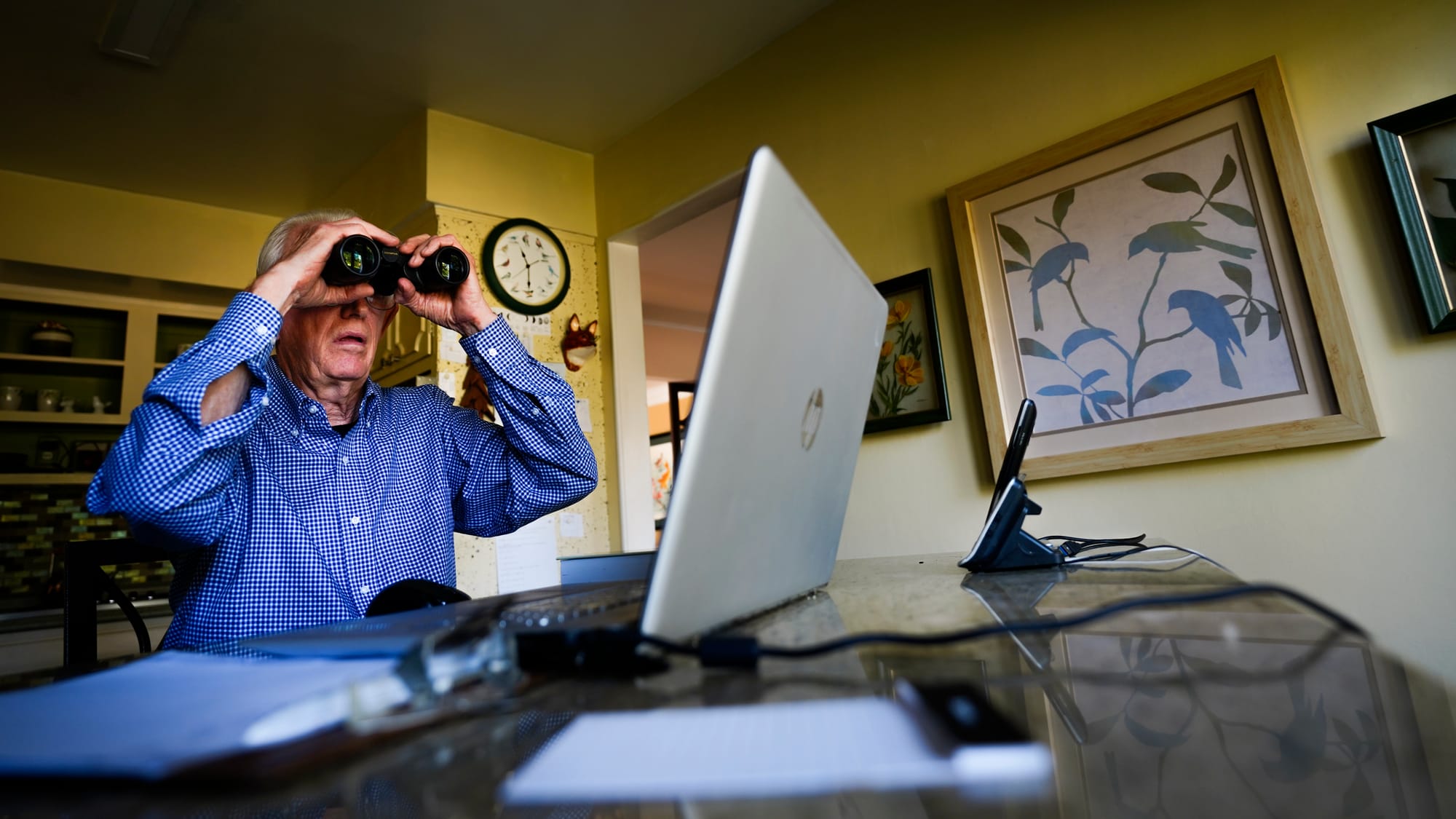
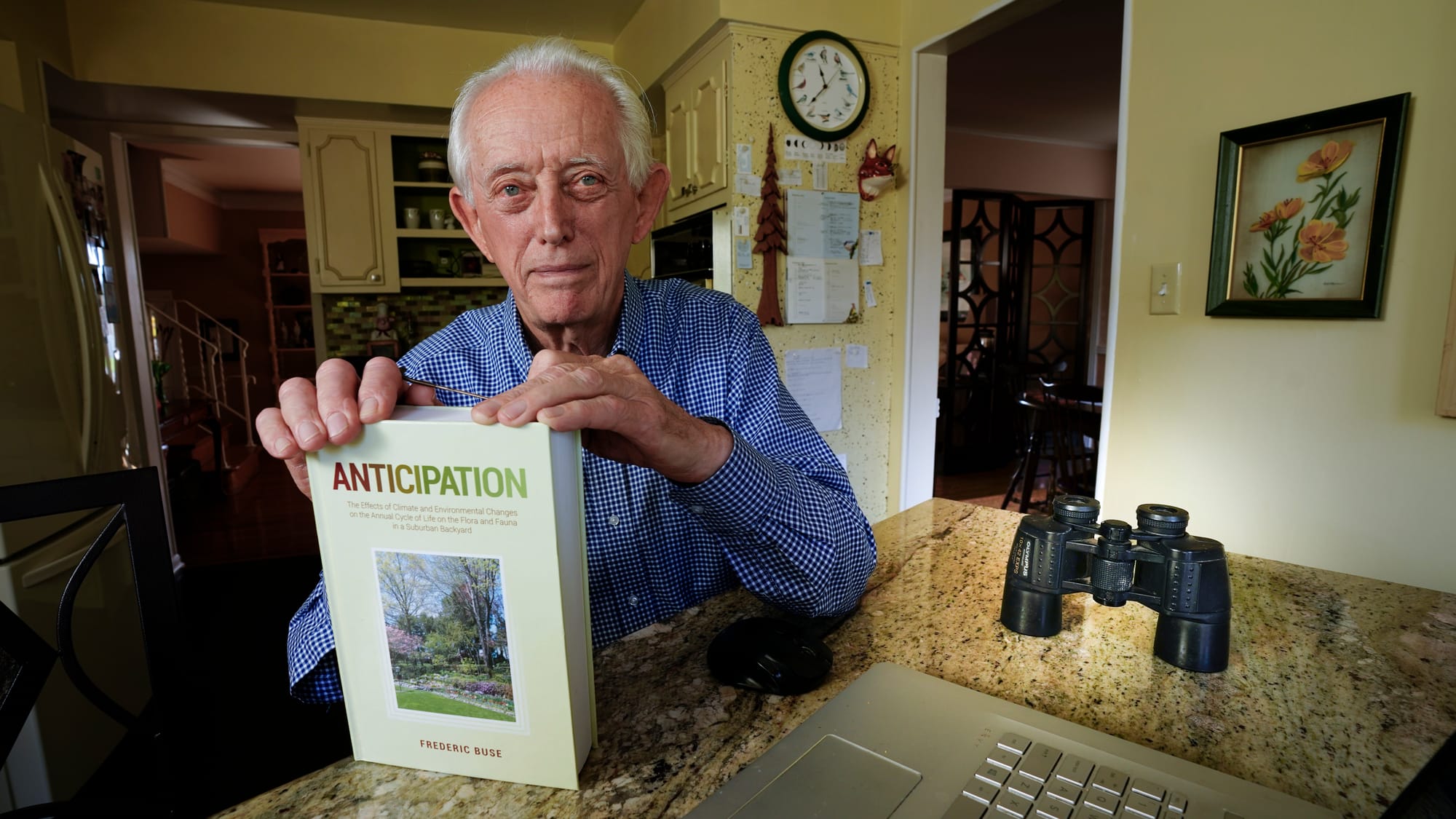
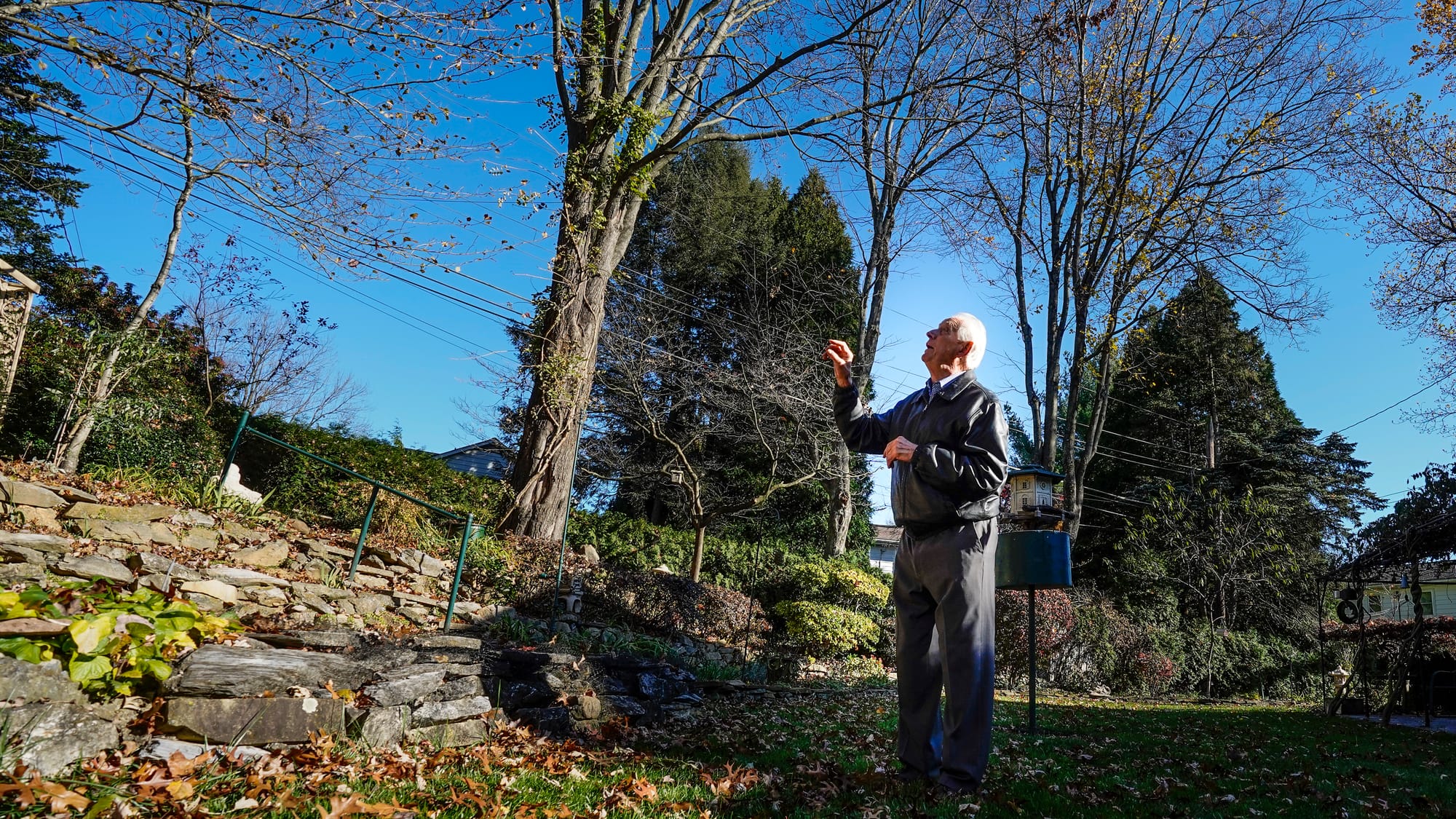
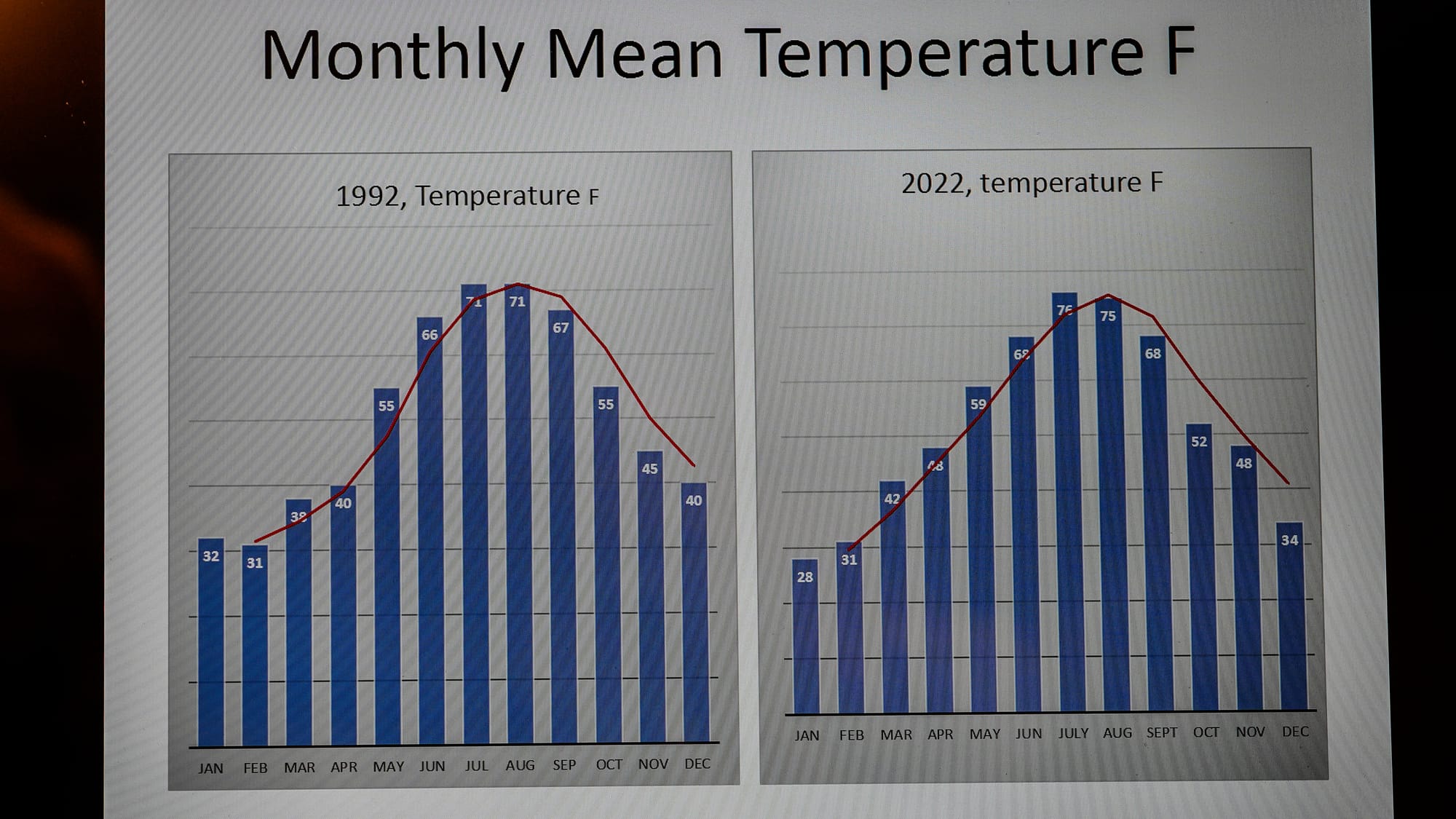
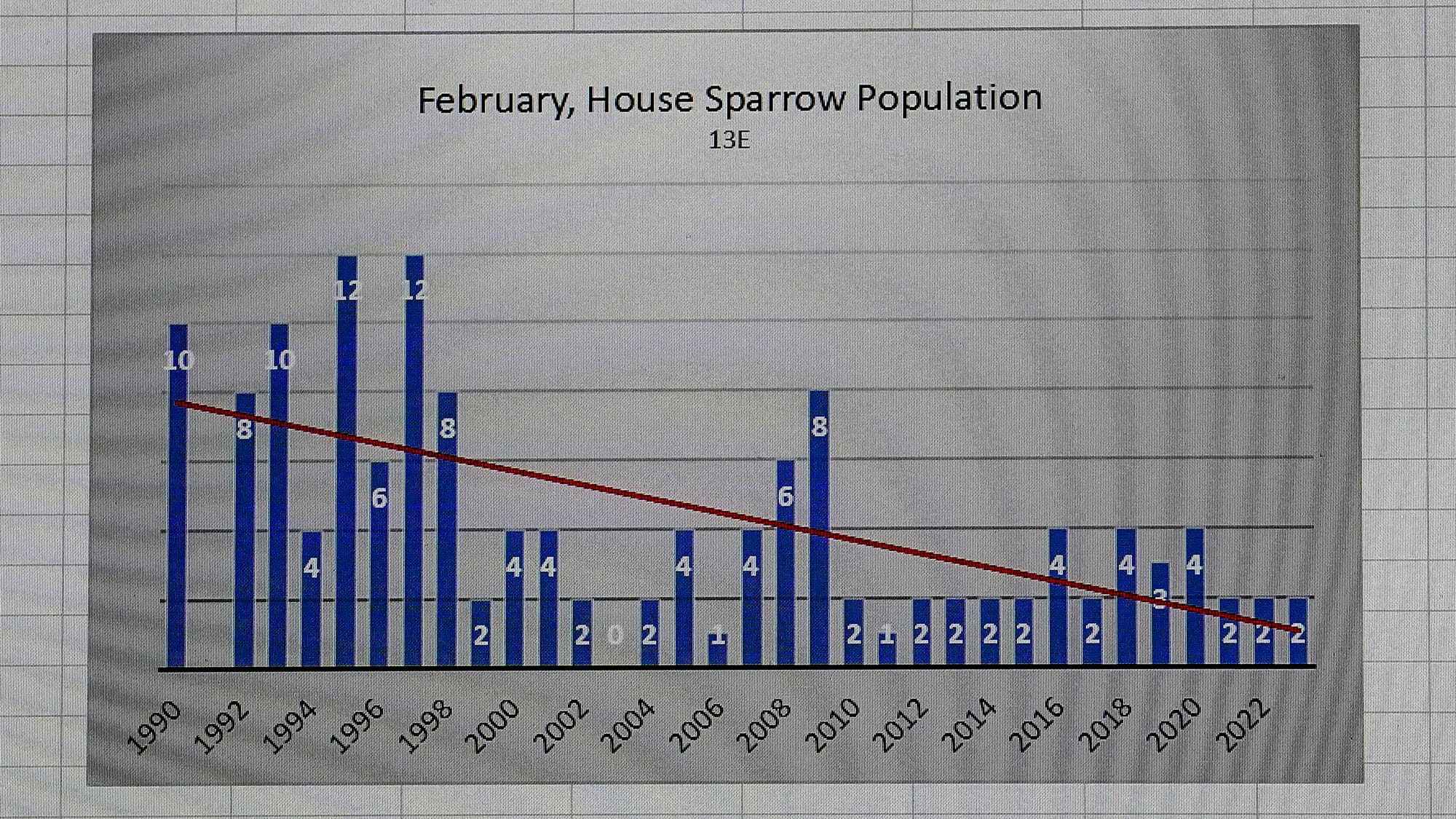
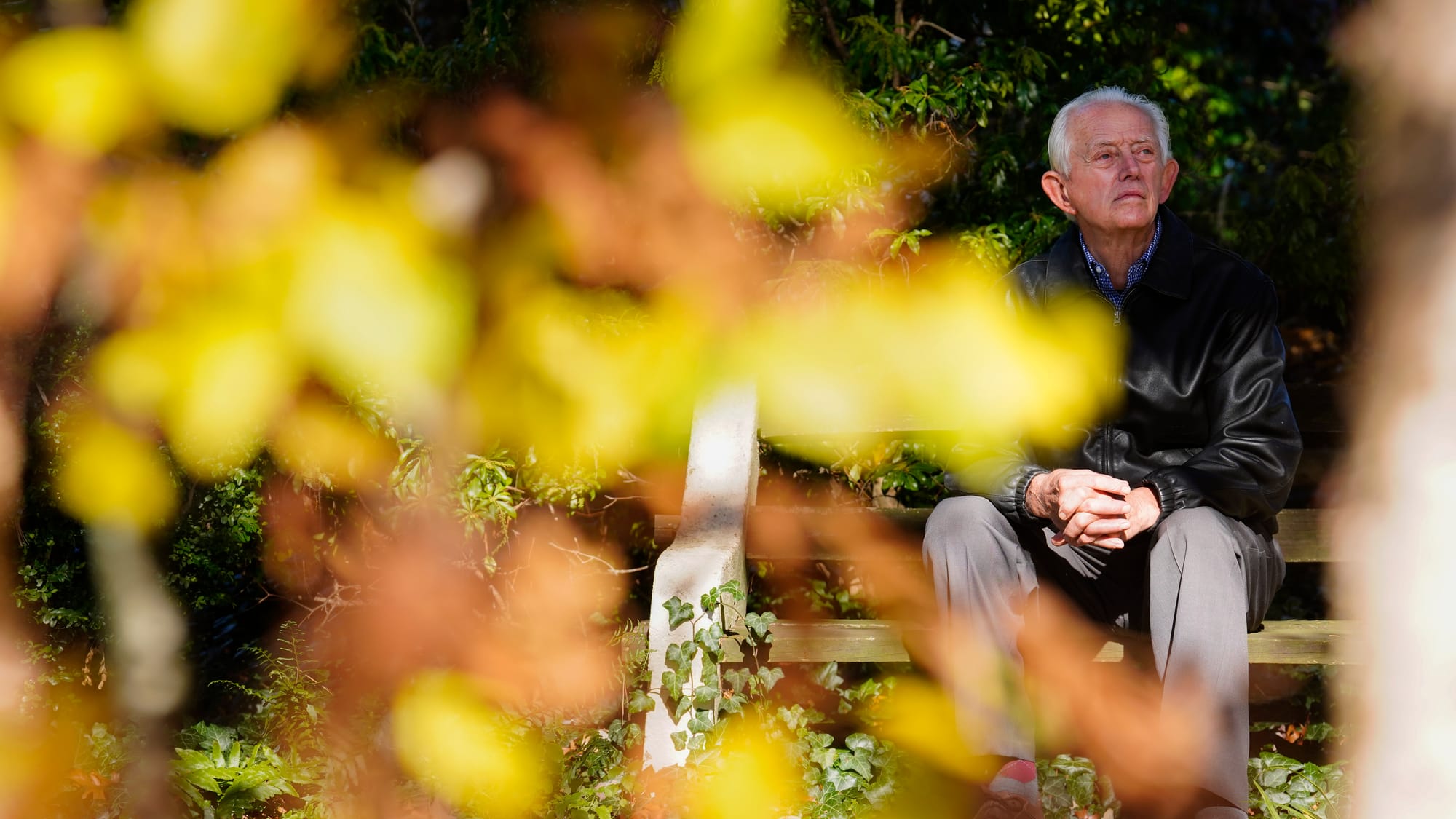
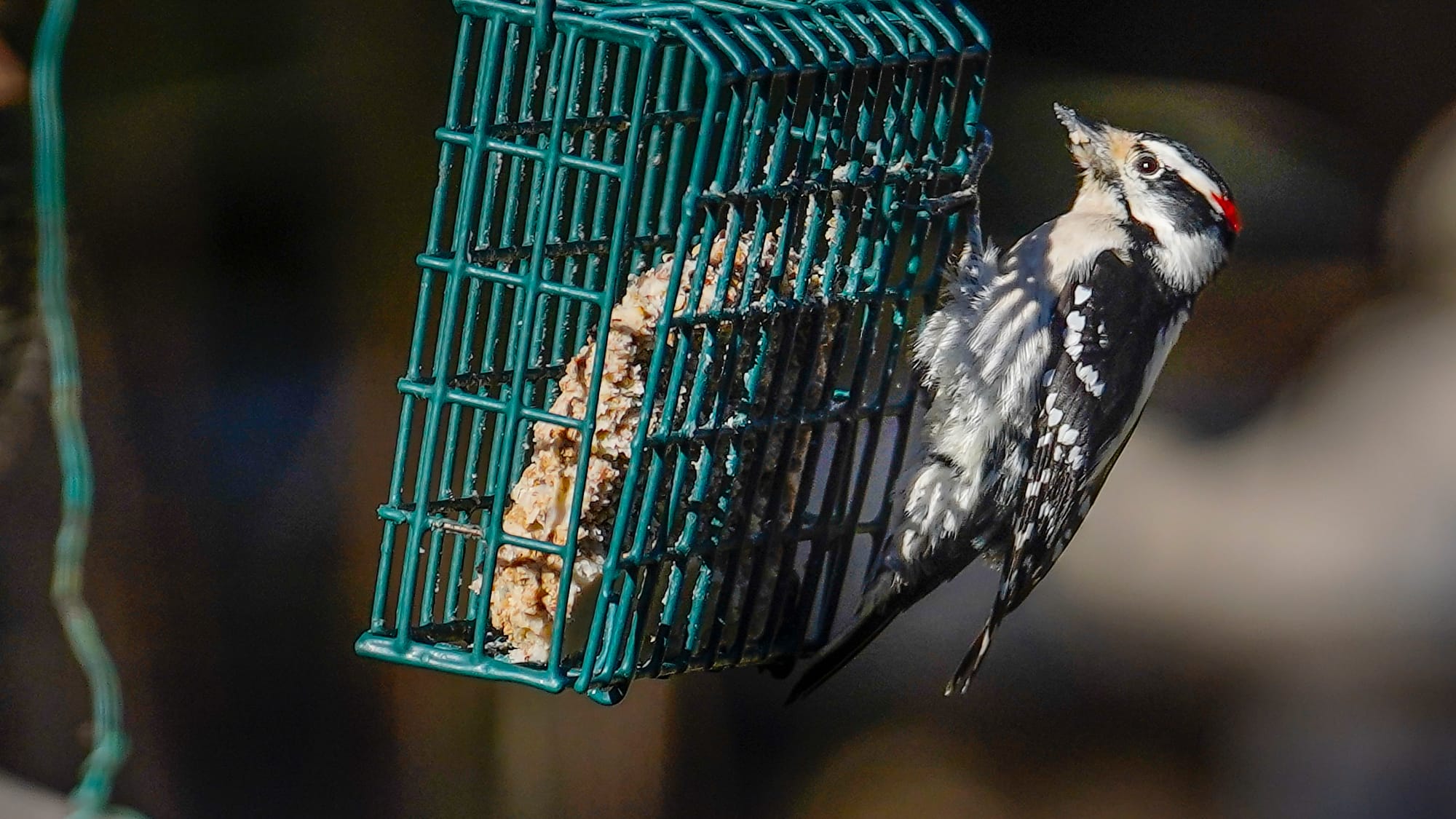
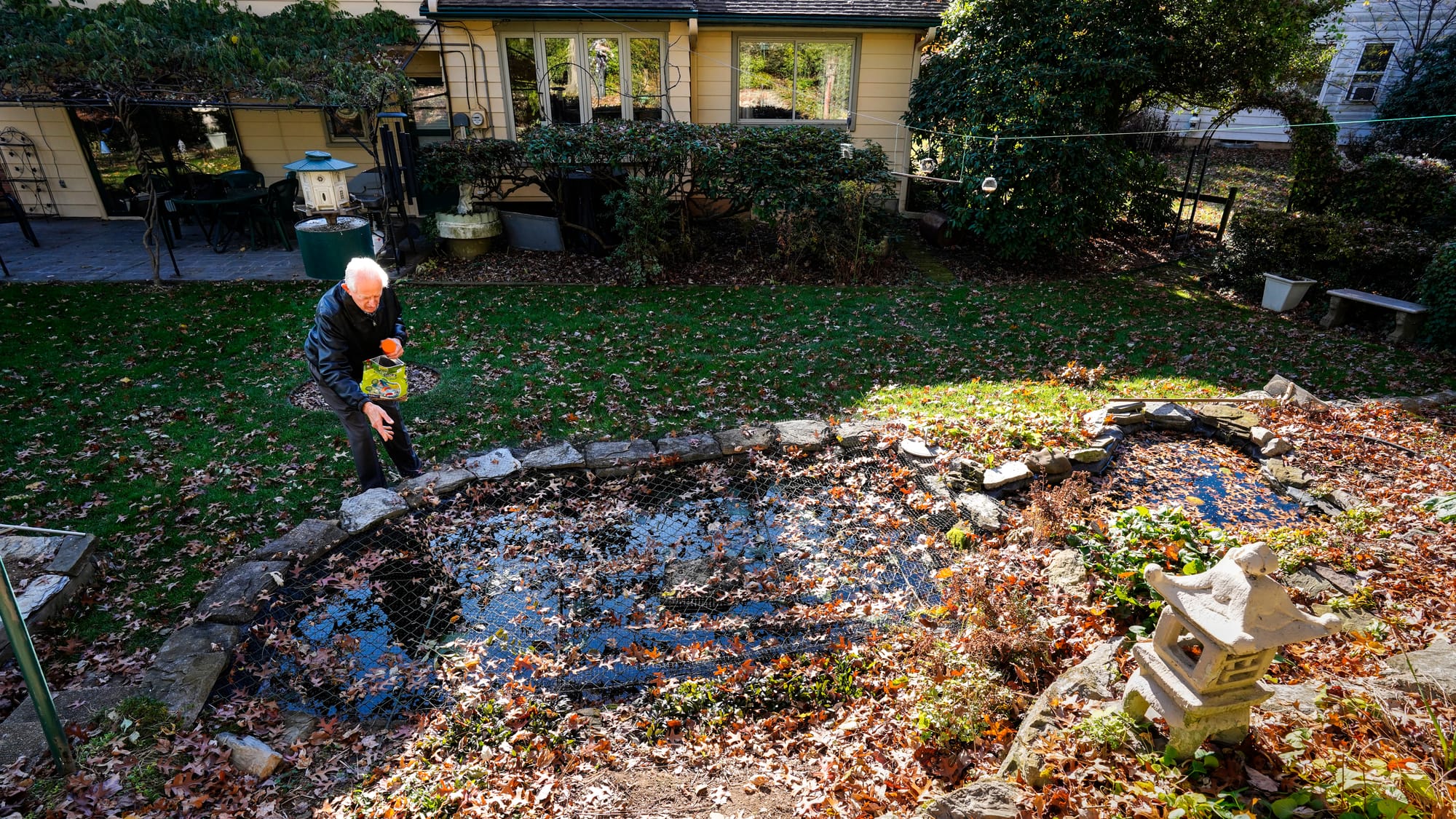
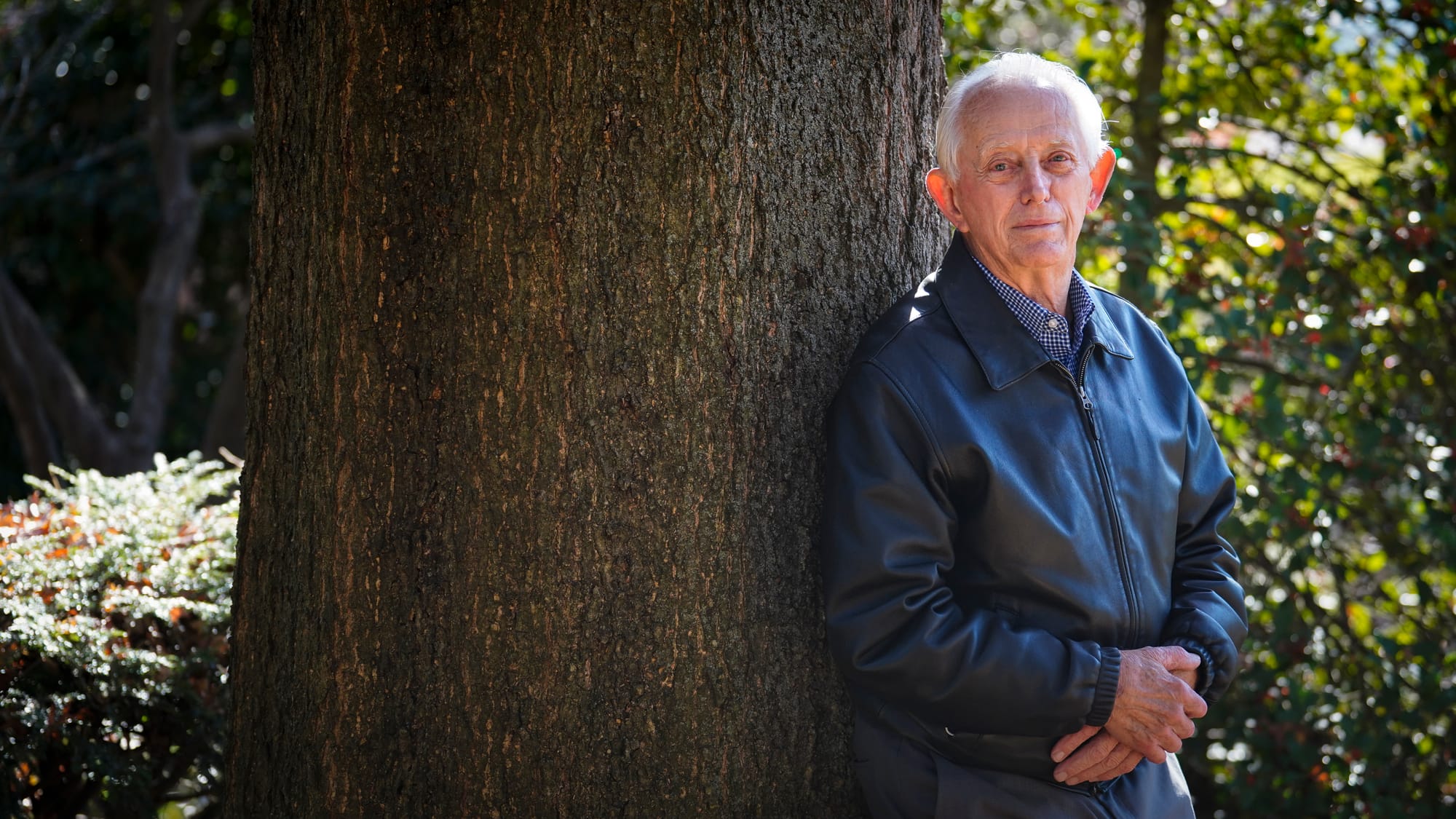
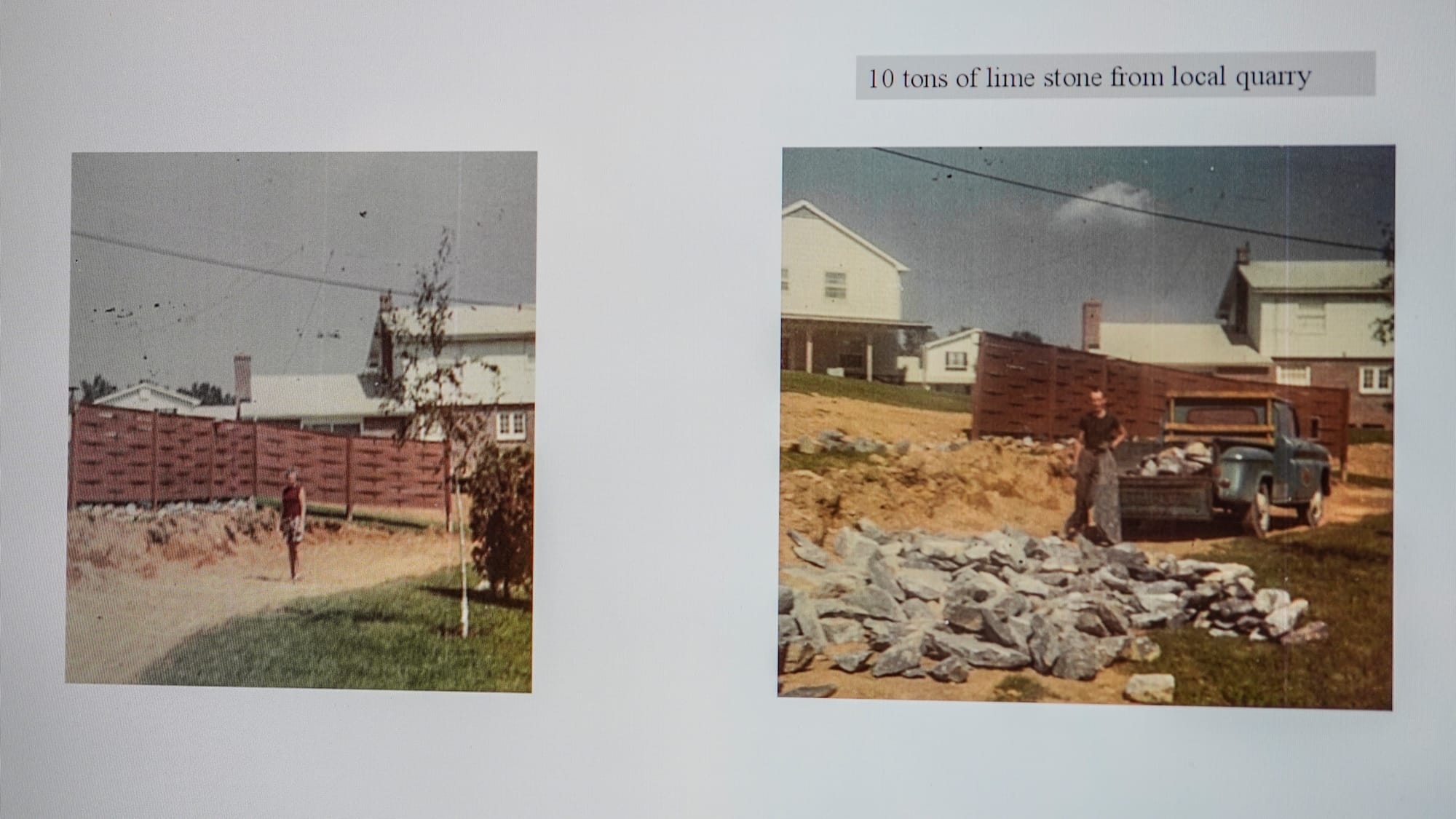
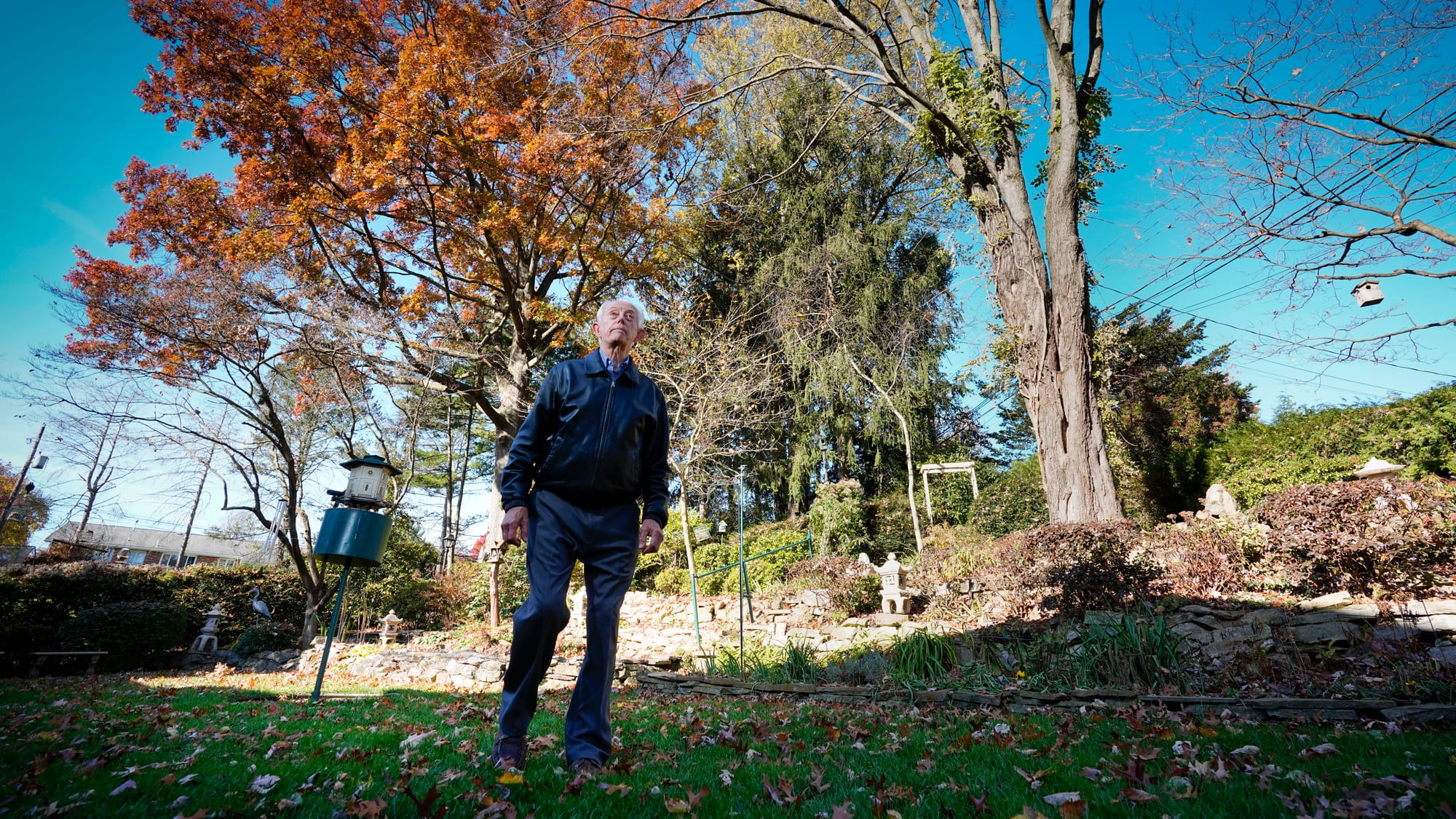
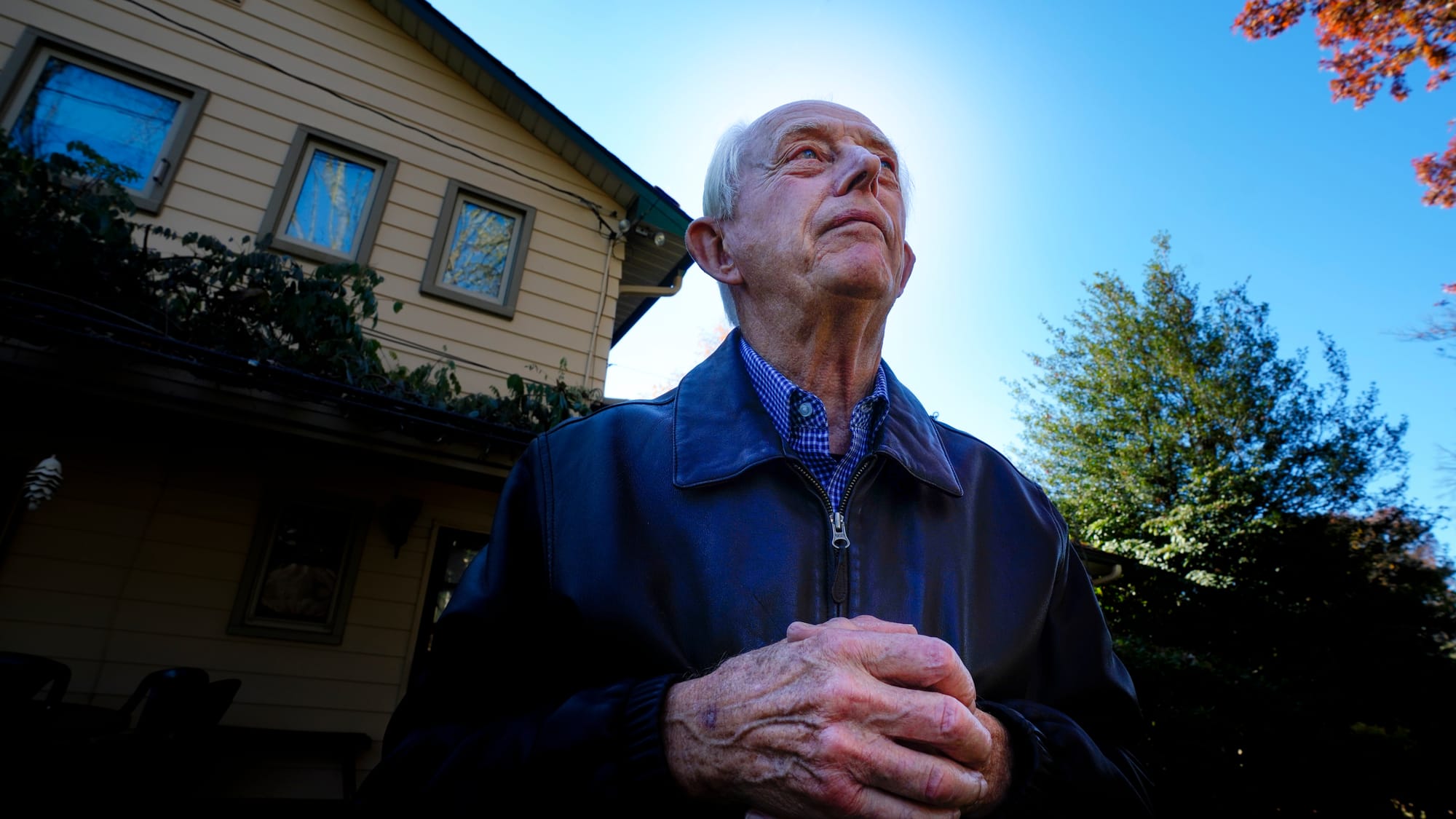
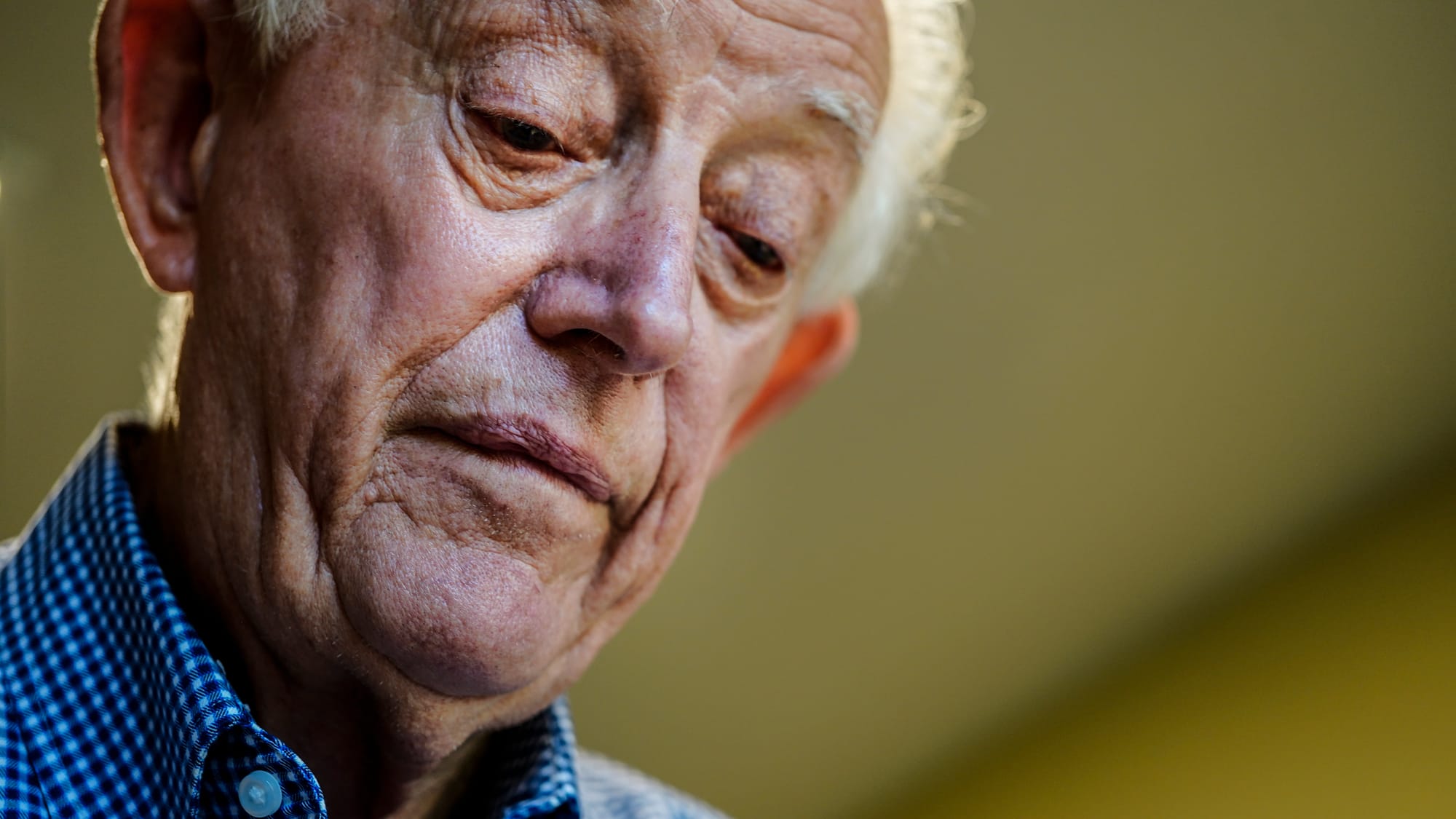
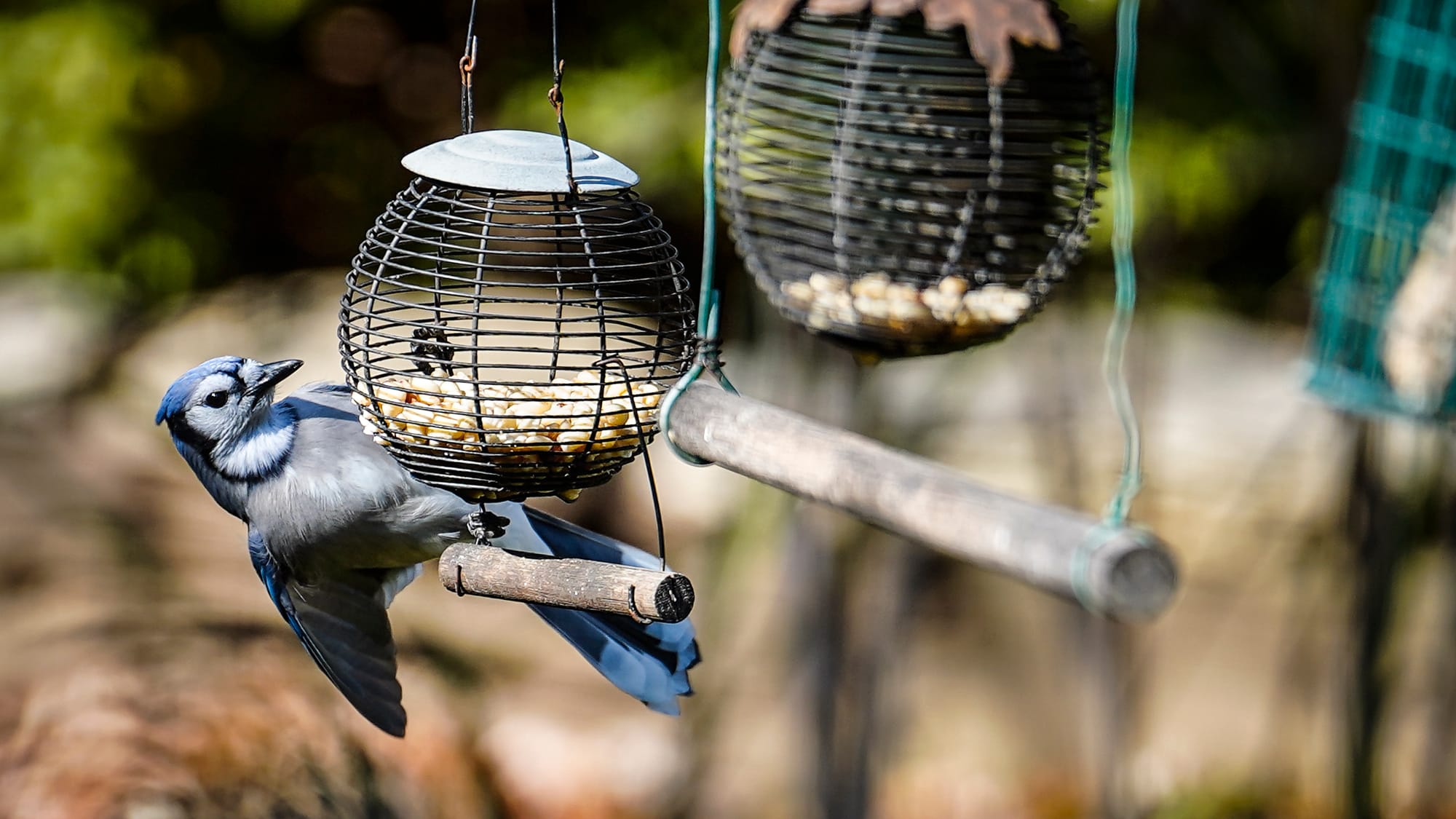
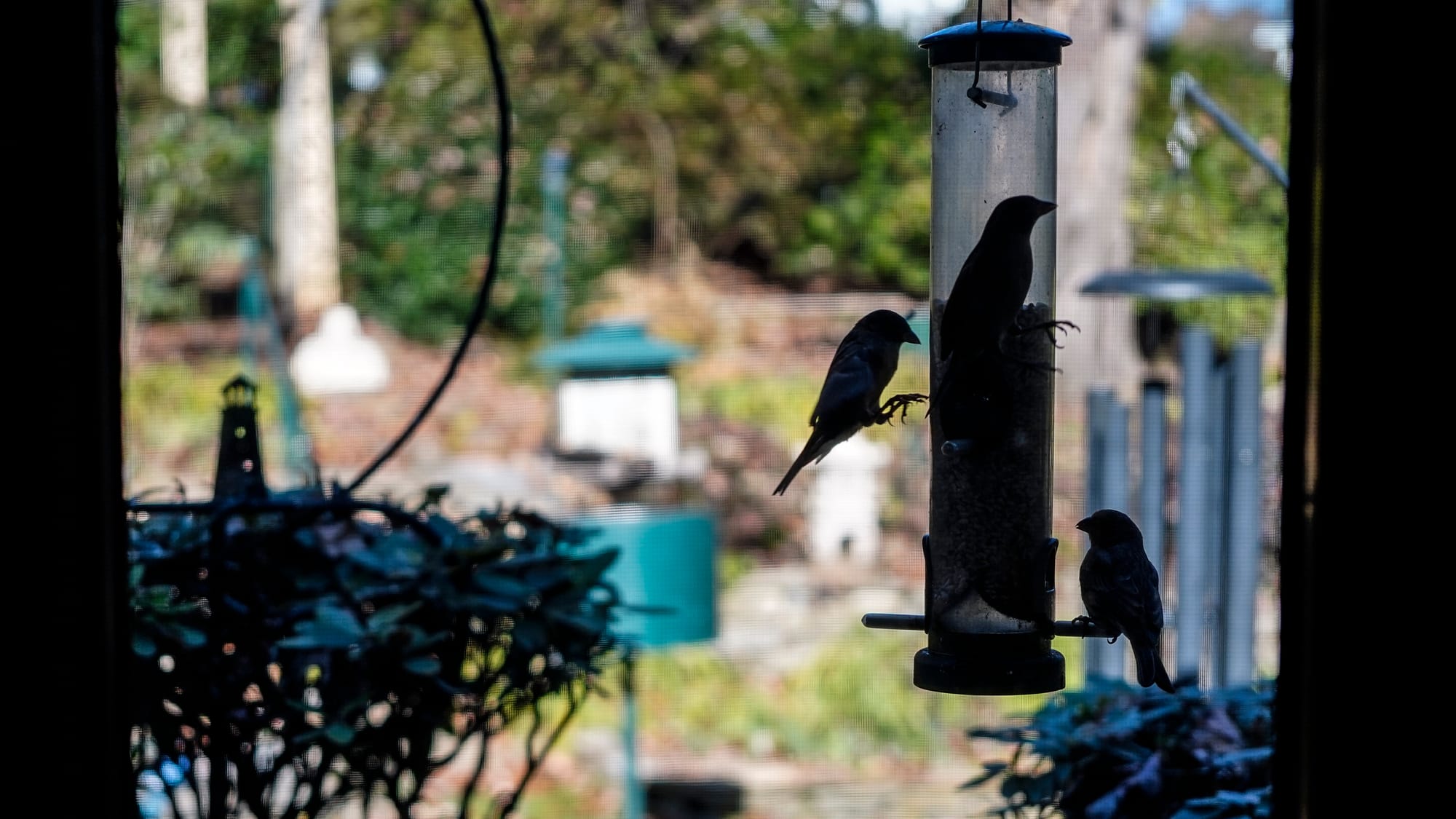
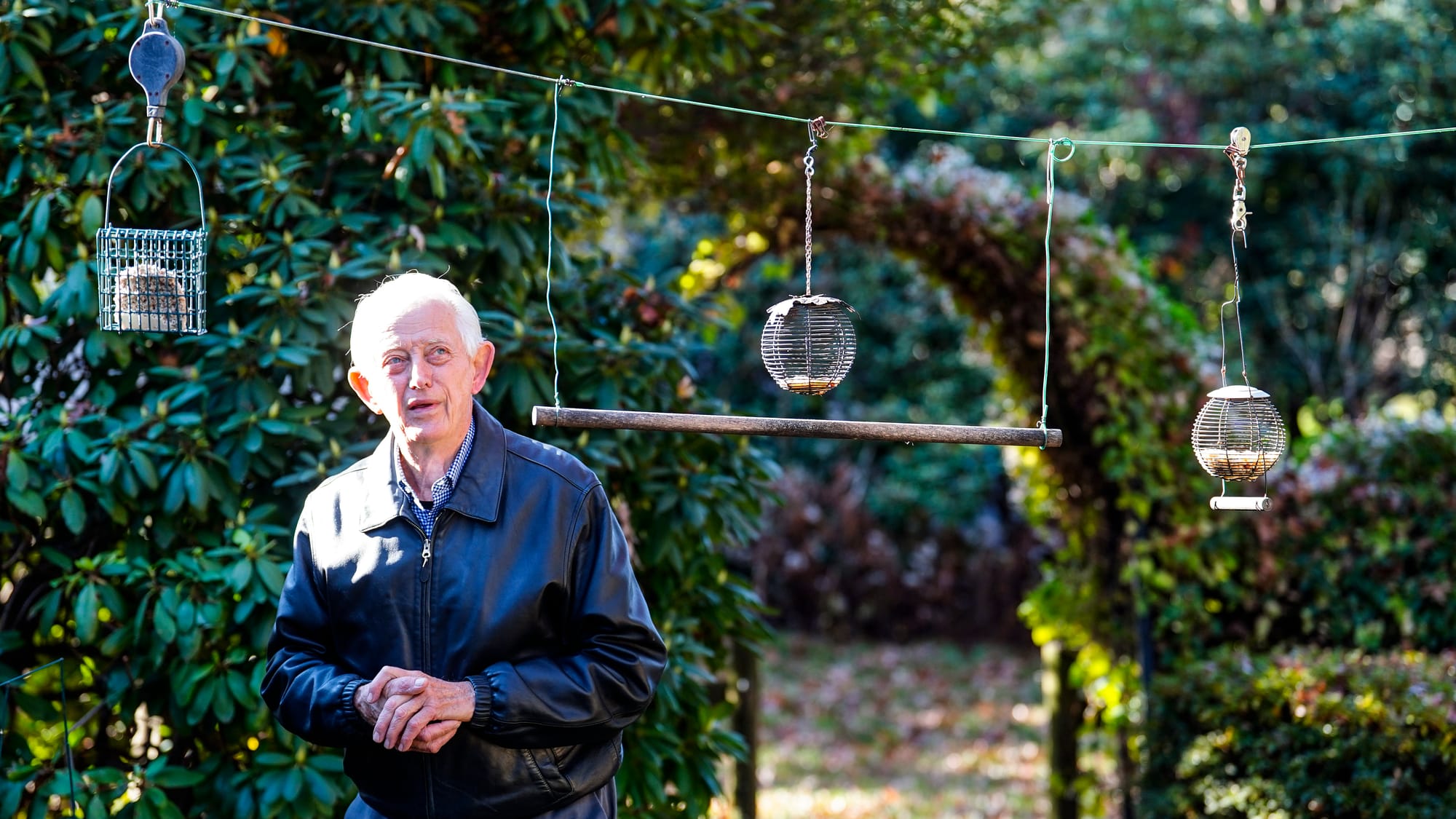
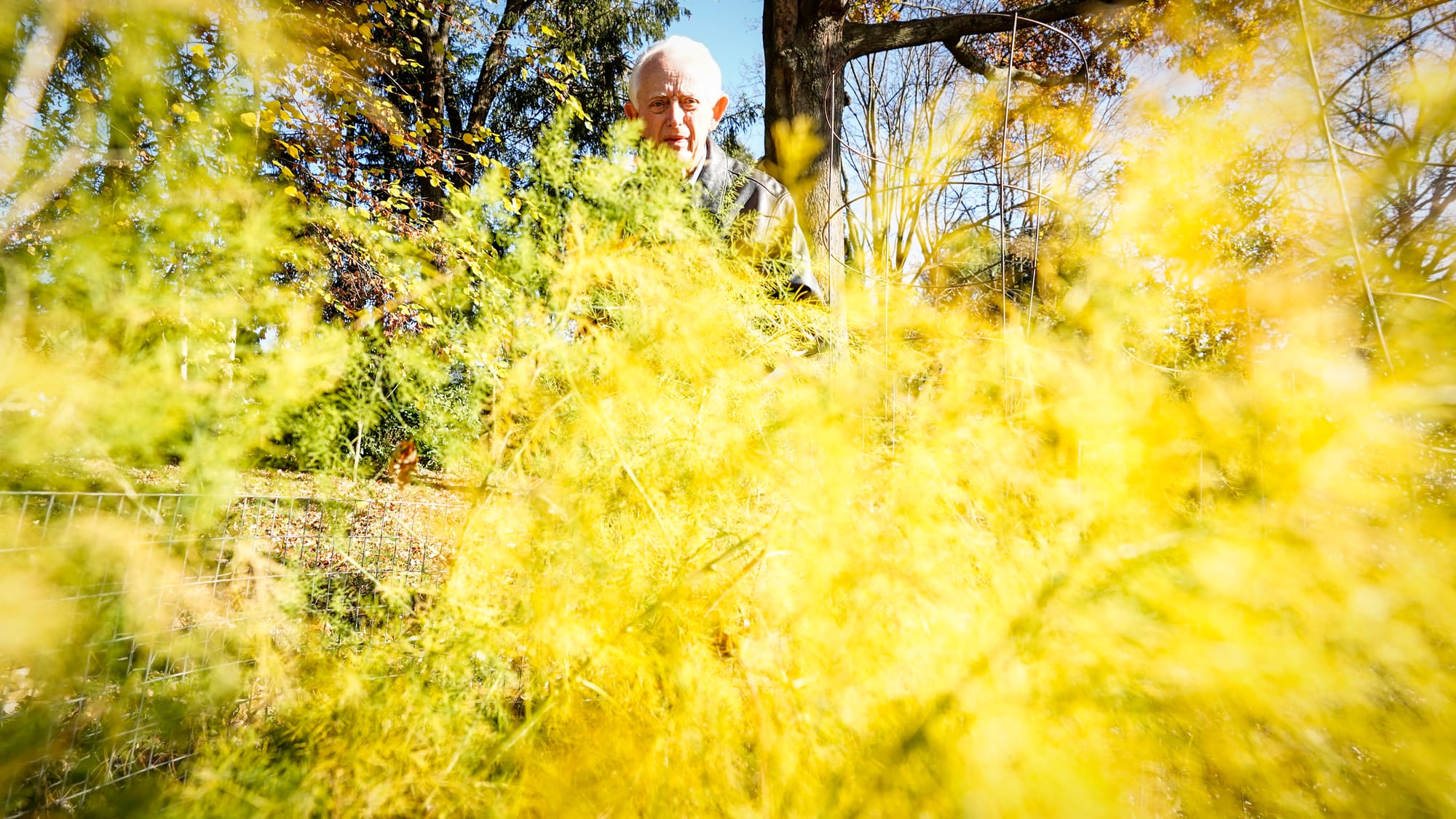
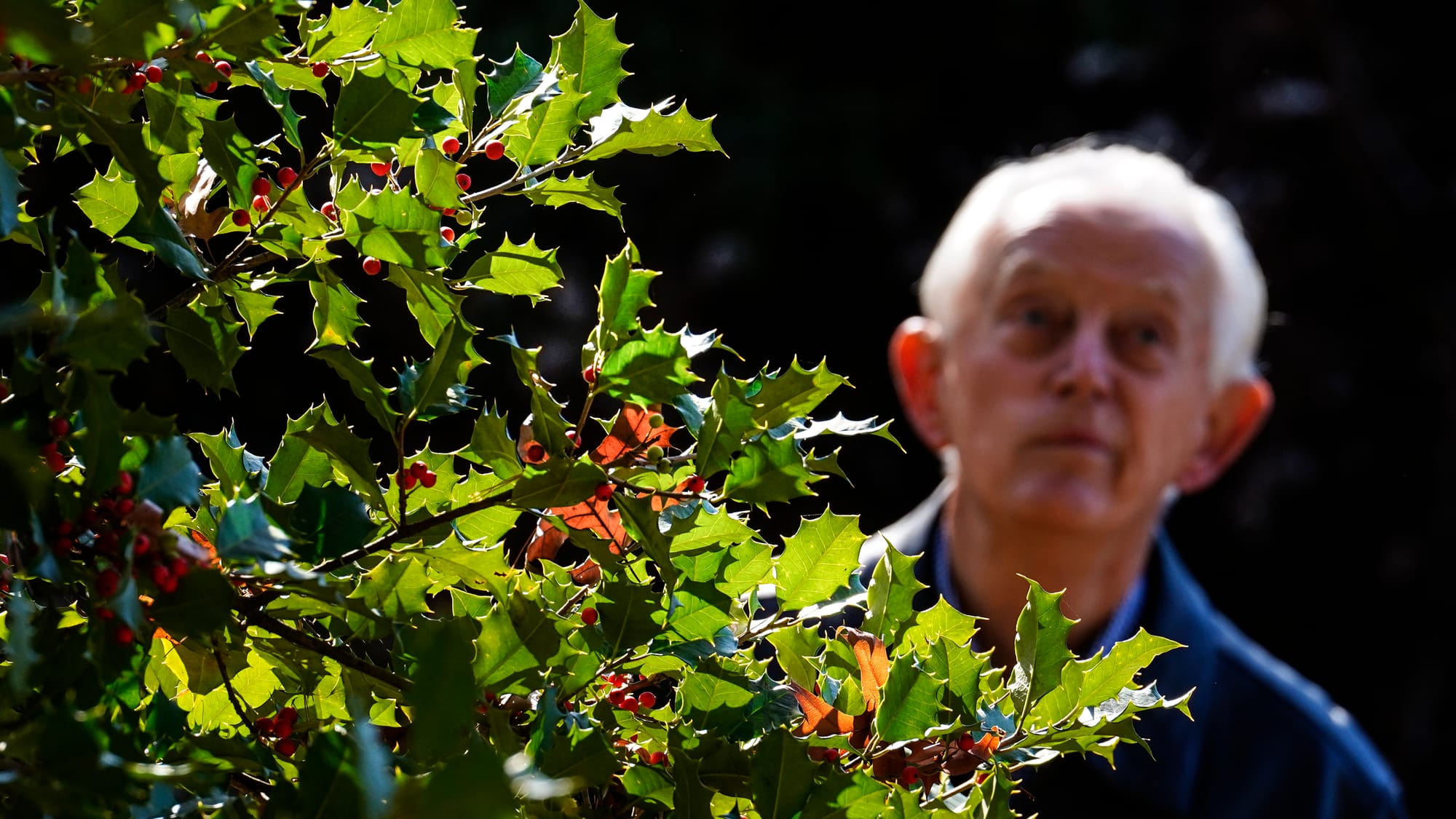
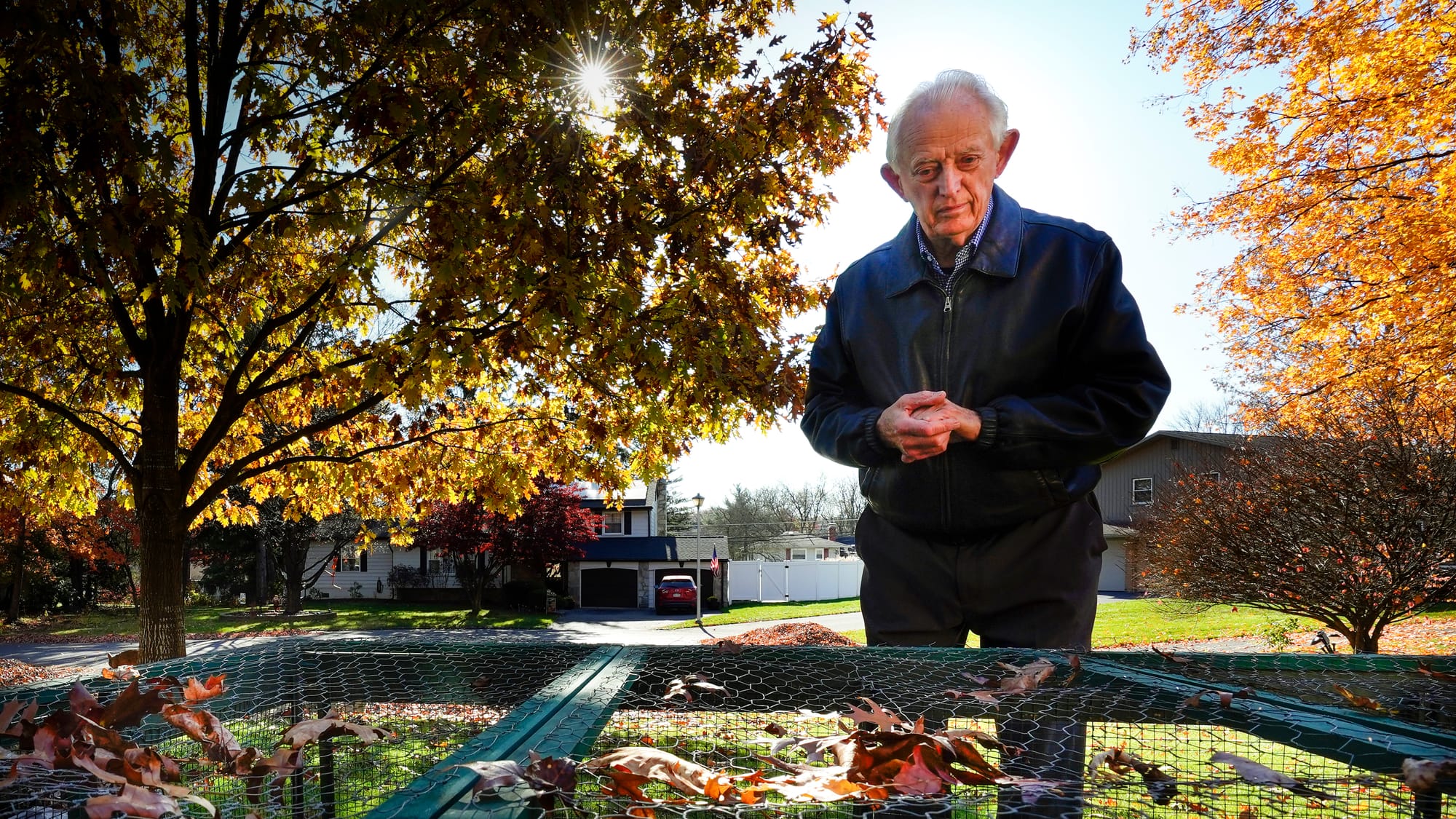
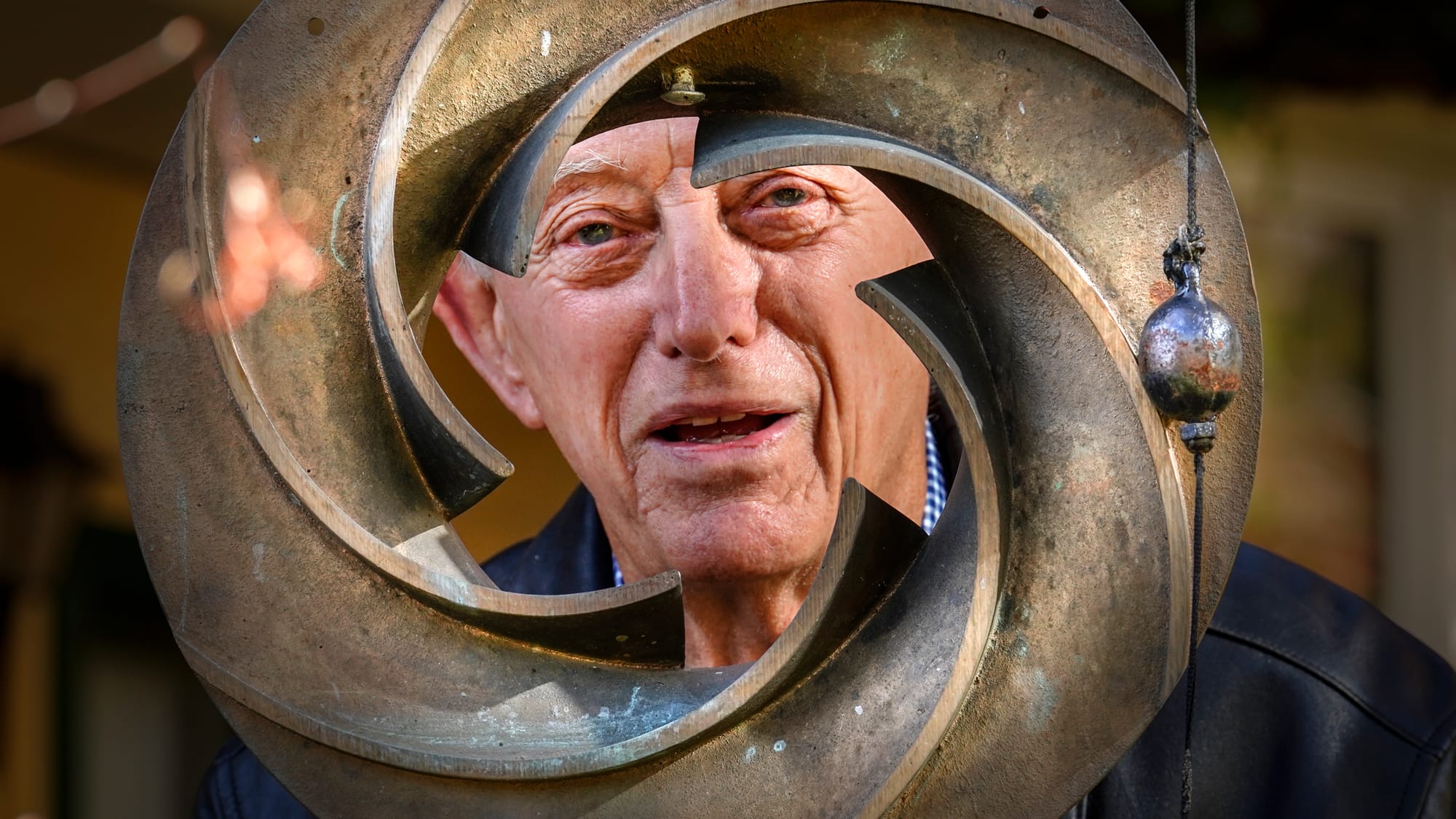
Fred Buse sits at his kitchen table and observes wildlife in his backyard. Fred Buse, 87, of South Whitehall Township, has been tracking climate change in his Allentown backyard for decades. Every day he records the high and low temperatures, precipitation, insects, birds and other animals. He has written “Anticipation: The Effects of Climate and Environmental Changes on the Annual Cycle of Life on the Flora and Fauna in a Suburban Backyard,” which was published in 2021. Picture made Wednesday, November 8, 2023 Donna S. FisherFred Buse sits at his kitchen table and observes wildlife in his backyard. Fred Buse, 87, of South Whitehall Township, has been tracking climate change in his Allentown backyard for decades. Every day he records the high and low temperatures, precipitation, insects, birds and other animals. He has written “Anticipation: The Effects of Climate and Environmental Changes on the Annual Cycle of Life on the Flora and Fauna in a Suburban Backyard,” which was published in 2021. Picture made Wednesday, November 8, 2023 Donna S. FisherFred Buse sits at his kitchen table with his book Anticipation. Fred Buse, 87, of South Whitehall Township, has been tracking climate change in his Allentown backyard for decades. Every day he records the high and low temperatures, precipitation, insects, birds and other animals. He has written “Anticipation: The Effects of Climate and Environmental Changes on the Annual Cycle of Life on the Flora and Fauna in a Suburban Backyard,” which was published in 2021. Picture made Wednesday, November 8, 2023 Donna S. FisherFred Buse observes wildlife in his backyard. Fred Buse, 87, of South Whitehall Township, has been tracking climate change in his Allentown backyard for decades. Every day he records the high and low temperatures, precipitation, insects, birds and other animals. He has written “Anticipation: The Effects of Climate and Environmental Changes on the Annual Cycle of Life on the Flora and Fauna in a Suburban Backyard,” which was published in 2021. Picture made Wednesday, November 8, 2023 Donna S. FisherFred Buse makes notes of the day's weather and wildlife that has visited his backyard. Fred Buse, 87, of South Whitehall Township, has been tracking climate change in his Allentown backyard for decades. Every day he records the high and low temperatures, precipitation, insects, birds and other animals. He has written “Anticipation: The Effects of Climate and Environmental Changes on the Annual Cycle of Life on the Flora and Fauna in a Suburban Backyard,” which was published in 2021. Picture made Wednesday, November 8, 2023 Donna S. FisherTwo charts on Fred Buse's computer show monthly mean temperature in his backyard. Fred Buse, 87, of South Whitehall Township, has been tracking climate change in his Allentown backyard for decades. Every day he records the high and low temperatures, precipitation, insects, birds and other animals. He has written “Anticipation: The Effects of Climate and Environmental Changes on the Annual Cycle of Life on the Flora and Fauna in a Suburban Backyard,” which was published in 2021. Picture made Wednesday, November 8, 2023 Donna S. FisherA chart on Fred Buse's computer shows the declining February House Sparrow population over 32 years. Fred Buse, 87, of South Whitehall Township, has been tracking climate change in his Allentown backyard for decades. Every day he records the high and low temperatures, precipitation, insects, birds and other animals. He has written “Anticipation: The Effects of Climate and Environmental Changes on the Annual Cycle of Life on the Flora and Fauna in a Suburban Backyard,” which was published in 2021. Picture made Wednesday, November 8, 2023 Donna S. FisherFred Buse walks in his backyard. Fred Buse, 87, of South Whitehall Township, has been tracking climate change in his Allentown backyard for decades. Every day he records the high and low temperatures, precipitation, insects, birds and other animals. He has written “Anticipation: The Effects of Climate and Environmental Changes on the Annual Cycle of Life on the Flora and Fauna in a Suburban Backyard,” which was published in 2021. Picture made Wednesday, November 8, 2023 Donna S. FisherFred Buse observes wildlife in his backyard. Fred Buse, 87, of South Whitehall Township, has been tracking climate change in his Allentown backyard for decades. Every day he records the high and low temperatures, precipitation, insects, birds and other animals. He has written “Anticipation: The Effects of Climate and Environmental Changes on the Annual Cycle of Life on the Flora and Fauna in a Suburban Backyard,” which was published in 2021. Picture made Wednesday, November 8, 2023. Donna S. FisherA male Hairy Woodpecker visits Fred Buse's yard . Fred Buse, 87, of South Whitehall Township, has been tracking climate change in his Allentown backyard for decades. Every day he records the high and low temperatures, precipitation, insects, birds and other animals. He has written “Anticipation: The Effects of Climate and Environmental Changes on the Annual Cycle of Life on the Flora and Fauna in a Suburban Backyard,” which was published in 2021. Picture made Wednesday, November 8, 2023 Donna S. FisherFred Buse feeds the goldfish in his backyard pond. Fred Buse, 87, of South Whitehall Township, has been tracking climate change in his Allentown backyard for decades. Every day he records the high and low temperatures, precipitation, insects, birds and other animals. He has written “Anticipation: The Effects of Climate and Environmental Changes on the Annual Cycle of Life on the Flora and Fauna in a Suburban Backyard,” which was published in 2021. Picture made Wednesday, November 8, 2023 Donna S. FisherFred Buse leans on a pin oak tree he planted in the early 1980s. Fred Buse, 87, of South Whitehall Township, has been tracking climate change in his Allentown backyard for decades. Every day he records the high and low temperatures, precipitation, insects, birds and other animals. He has written “Anticipation: The Effects of Climate and Environmental Changes on the Annual Cycle of Life on the Flora and Fauna in a Suburban Backyard,” which was published in 2021. Picture made Wednesday, November 8, 2023 Donna S. FisherFred Buse shows pictures of his South Whitehall backyard as he was landscaping it many years ago. Fred Buse, 87, of South Whitehall Township, has been tracking climate change in his Allentown backyard for decades. Every day he records the high and low temperatures, precipitation, insects, birds and other animals. He has written “Anticipation: The Effects of Climate and Environmental Changes on the Annual Cycle of Life on the Flora and Fauna in a Suburban Backyard,” which was published in 2021. Picture made Wednesday, November 8, 2023 Donna S. FisherFred Buse observes wildlife in his backyard. Fred Buse, 87, of South Whitehall Township, has been tracking climate change in his Allentown backyard for decades. Every day he records the high and low temperatures, precipitation, insects, birds and other animals. He has written “Anticipation: The Effects of Climate and Environmental Changes on the Annual Cycle of Life on the Flora and Fauna in a Suburban Backyard,” which was published in 2021. Picture made Wednesday, November 8, 2023 Donna S. FisherFred Buse observes wildlife in his backyard. Fred Buse, 87, of South Whitehall Township, has been tracking climate change in his Allentown backyard for decades. Every day he records the high and low temperatures, precipitation, insects, birds and other animals. He has written “Anticipation: The Effects of Climate and Environmental Changes on the Annual Cycle of Life on the Flora and Fauna in a Suburban Backyard,” which was published in 2021. Picture made Wednesday, November 8, 2023 Donna S. FisherFred Buse sits at his kitchen table and makes notes on his observations of his backyard. Fred Buse, 87, of South Whitehall Township, has been tracking climate change in his Allentown backyard for decades. Every day he records the high and low temperatures, precipitation, insects, birds and other animals. He has written “Anticipation: The Effects of Climate and Environmental Changes on the Annual Cycle of Life on the Flora and Fauna in a Suburban Backyard,” which was published in 2021. Picture made Wednesday, November 8, 2023 Donna S. FisherA blue jay visits Fred Buse's backyard. Fred Buse, 87, of South Whitehall Township, has been tracking climate change in his Allentown backyard for decades. Every day he records the high and low temperatures, precipitation, insects, birds and other animals. He has written “Anticipation: The Effects of Climate and Environmental Changes on the Annual Cycle of Life on the Flora and Fauna in a Suburban Backyard,” which was published in 2021. Picture made Wednesday, November 8, 2023 Donna S. FisherThis is the view looking out the kitchen window of Fred Buse. Fred Buse, 87, of South Whitehall Township, has been tracking climate change in his Allentown backyard for decades. Every day he records the high and low temperatures, precipitation, insects, birds and other animals. He has written “Anticipation: The Effects of Climate and Environmental Changes on the Annual Cycle of Life on the Flora and Fauna in a Suburban Backyard,” which was published in 2021. Picture made Wednesday, November 8, 2023 Donna S. FisherFred Buse checks his bird feeders in his backyard. Fred Buse, 87, of South Whitehall Township, has been tracking climate change in his Allentown backyard for decades. Every day he records the high and low temperatures, precipitation, insects, birds and other animals. He has written “Anticipation: The Effects of Climate and Environmental Changes on the Annual Cycle of Life on the Flora and Fauna in a Suburban Backyard,” which was published in 2021. Picture made Wednesday, November 8, 2023 Donna S. FisherFred Buse looks over the asparagus growing in his backyard. Fred Buse, 87, of South Whitehall Township, has been tracking climate change in his Allentown backyard for decades. Every day he records the high and low temperatures, precipitation, insects, birds and other animals. He has written “Anticipation: The Effects of Climate and Environmental Changes on the Annual Cycle of Life on the Flora and Fauna in a Suburban Backyard,” which was published in 2021. Picture made Wednesday, November 8, 2023 Donna S. FisherFred Buse looks at the holly in his backyard. Fred Buse, 87, of South Whitehall Township, has been tracking climate change in his Allentown backyard for decades. Every day he records the high and low temperatures, precipitation, insects, birds and other animals. He has written “Anticipation: The Effects of Climate and Environmental Changes on the Annual Cycle of Life on the Flora and Fauna in a Suburban Backyard,” which was published in 2021. Picture made Wednesday, November 8, 2023 Donna S. FisherFred Buse checks on his vegetable garden at the front of his home. Fred Buse, 87, of South Whitehall Township, has been tracking climate change in his Allentown backyard for decades. Every day he records the high and low temperatures, precipitation, insects, birds and other animals. He has written “Anticipation: The Effects of Climate and Environmental Changes on the Annual Cycle of Life on the Flora and Fauna in a Suburban Backyard,” which was published in 2021. Picture made Wednesday, November 8, 2023 Donna S. FisherFred Buse, a former marine engineer, peers through an impeller that was part of a working pump and is now a wind chime on his patio. Fred Buse, 87, of South Whitehall Township, has been tracking climate change in his Allentown backyard for decades. Every day he records the high and low temperatures, precipitation, insects, birds and other animals. He has written “Anticipation: The Effects of Climate and Environmental Changes on the Annual Cycle of Life on the Flora and Fauna in a Suburban Backyard,” which was published in 2021. Picture made Wednesday, November 8, 2023 Donna S. Fisher
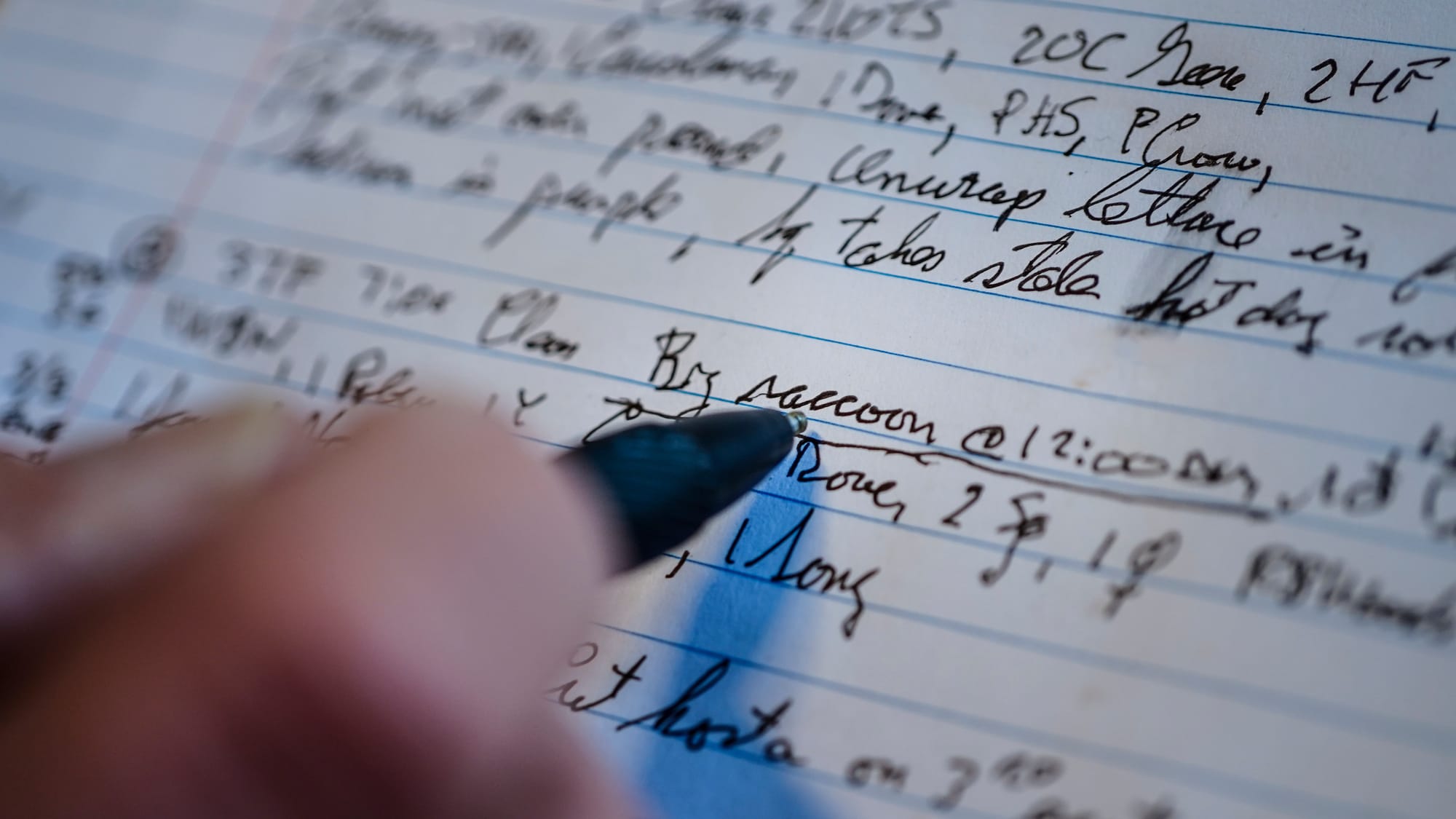
With his laptop open, a notebook and pen nearby, and his binoculars never too far out of reach, each day he views his backyard garden through a large window, meticulously hand-writing notes in scratchy black cursive.
“This really shows the climate change,” Buse, 87, said recently, pointing to a presentation slide on his laptop where he organizes the data, showing the average temperature increasing over time. “It’s getting warmer and warmer. This is from 1990. This is 30 years.”
“If I just showed the last five years, it shows a different picture.”
Over the decades, he’s accumulated thousands of data points, illustrating the difference between weather and climate – and how it’s changing.
“I have the data,” Buse said.
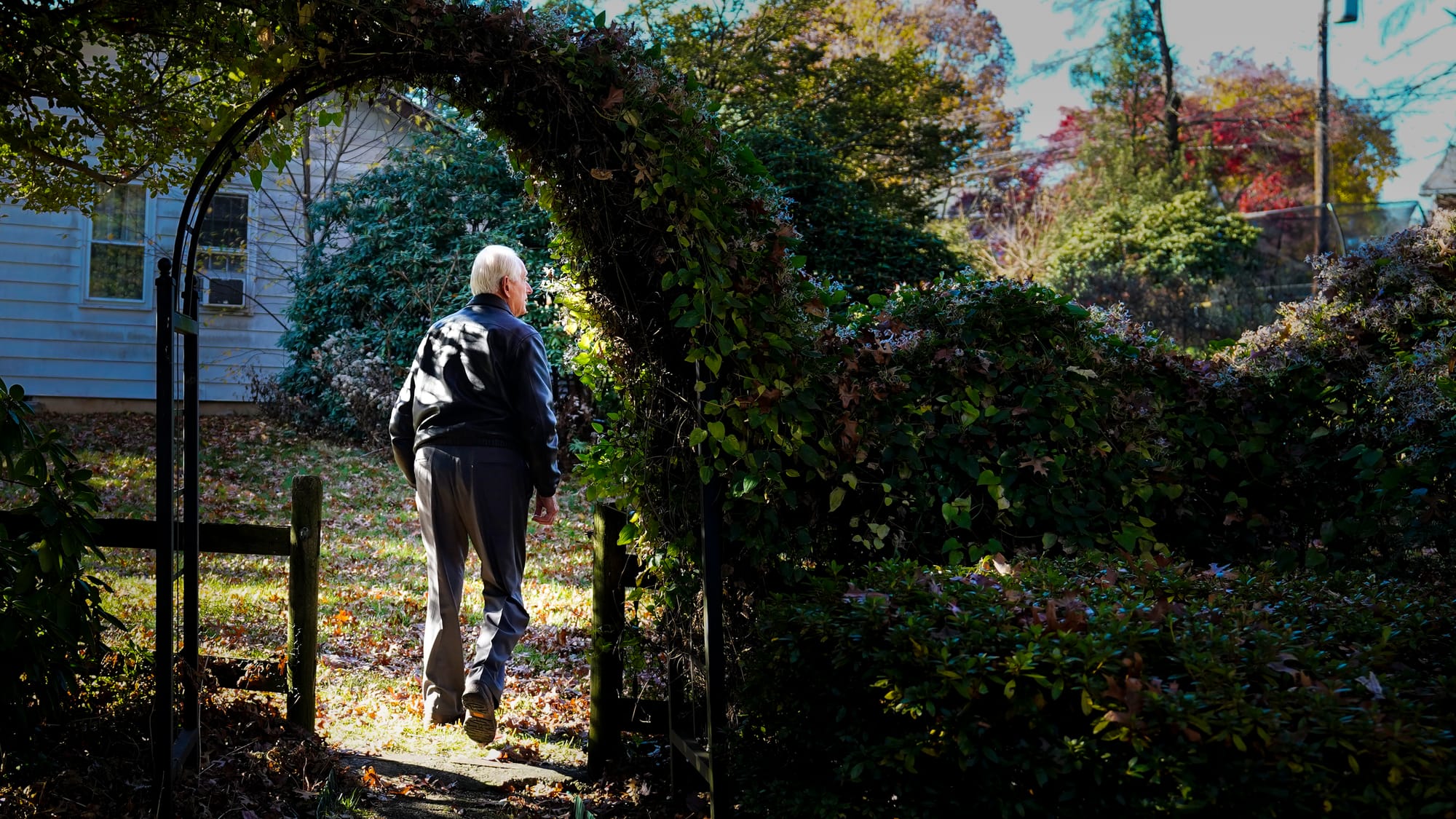
Originally from Long Island — he retains the accent — Buse's mother taught him about gardening from her World War II victory garden. He’s built a backyard oasis, turning a field into a lush garden with a handful of bird feeders and a pond full of goldfish.
Asked why he started his intense note-taking, his answer was simple.
“The anticipation of, 'Who am I going to see? And who's popping out of the ground?' And, by doing that year by year, I see the health of the environment.”
Fred Buse
“I started to write it down, and why? To get knowledge of what's happening out there,” Buse said, pointing to his backyard. “The anticipation of, 'Who am I going to see? And who's popping out of the ground?' And, by doing that year by year, I see the health of the environment.”
Buse didn’t even know there was a name for what he was doing — just that he was taking the time to record his observations.
"Years after I got into it, somebody says, ‘Well, you’re doing phenology,’” Buse said, chuckling.
Phenology as citizen science
Phenology is the study of the cyclical patterns of nature, also referred to as “nature’s calendar,” by the National Phenology Network.
Established in 2007, the goal of the network is to provide, “data and information on the timing of seasonal events in plants and animals to ensure the well-being of humans, ecosystems and natural resources,” according to its website.
By studying phenological events — like when certain plants flower or when animals begin to migrate — scientists can anticipate decisions, such as when farmers should start planting.
“Changes in phenological events like flowering and animal migration are among the most sensitive biological responses to climate change,” according to the network. “Across the world, many spring events are occurring earlier — and fall events are happening later — than they did in the past. However, not all species are changing at the same rate or direction, leading to mismatches.
“How plants and animals respond can help us predict whether their populations will grow or shrink — making phenology a ‘leading indicator’ of climate change impacts.”
This data-gathering depends on citizen scientists, like Buse, to create a network of observations. However, although Buse prefers his hand-written method, there’s been an uptick in amateur science participation over the last decade, with advocates citing the ease of cell phones as the driving force.
However, in the history of scientific study, residents have and continue to play a large role, according to the RAND Corporation, a nonprofit research institute.
“French wine growers have been keeping data on harvest times since the 1300s, with such precision that scientists are now using their numbers to study climate change,” according to an article from the agency. “More recently, thousands of parents in the 1950s and '60s helped scientists track the fallout from nuclear tests by sending in their children's baby teeth to be tested for radioactive isotopes.
“Federal law now encourages agencies with scientific missions to use crowdsourcing and work with citizen scientists whenever possible. One recent study calculated that, in the field of biodiversity research alone, the work that citizen scientists put in could be worth up to $2.5 billion every year.”
Buse’s year starts not in January, but in the first week of March. Each day, he records the high temperature, low temperature, precipitation and any sightings of animals or birds.
Because he’s been collecting data for so many years, he can see the patterns and trends.
“This has been one of the coolest summers in 15 years,” he said. “That’s because of the smoke.”
In addition to temperature changes, he’s also noticed differences in animals — like a lack of geese in the spring. He attributed this to regional planning decisions, including the sharp increase in warehouses.
“Due to environmental changes, I don't see them anymore,” he said. “We used to sit here and see thousands, but with the building of all the houses and warehouses — I might have 50.”
Forsythia is also blooming earlier by two weeks, which Buse also contributed to climate change. He’s also tracked differences in fall foliage.
“In the fall, the leaves are coming down two weeks later,” he said. “So you have gained, in 30 years, four weeks more growing period. The temperature has gone up. That's what's forcing this to come earlier.”
By observing the silver maple in his backyard, he’s also noticed the squeeze of peak fall foliage season.
“The amount of days that a tree has peak color to no leaves is decreasing,” he said. “It was 15 days, now it’s eight days, and other trees are doing the same.”