

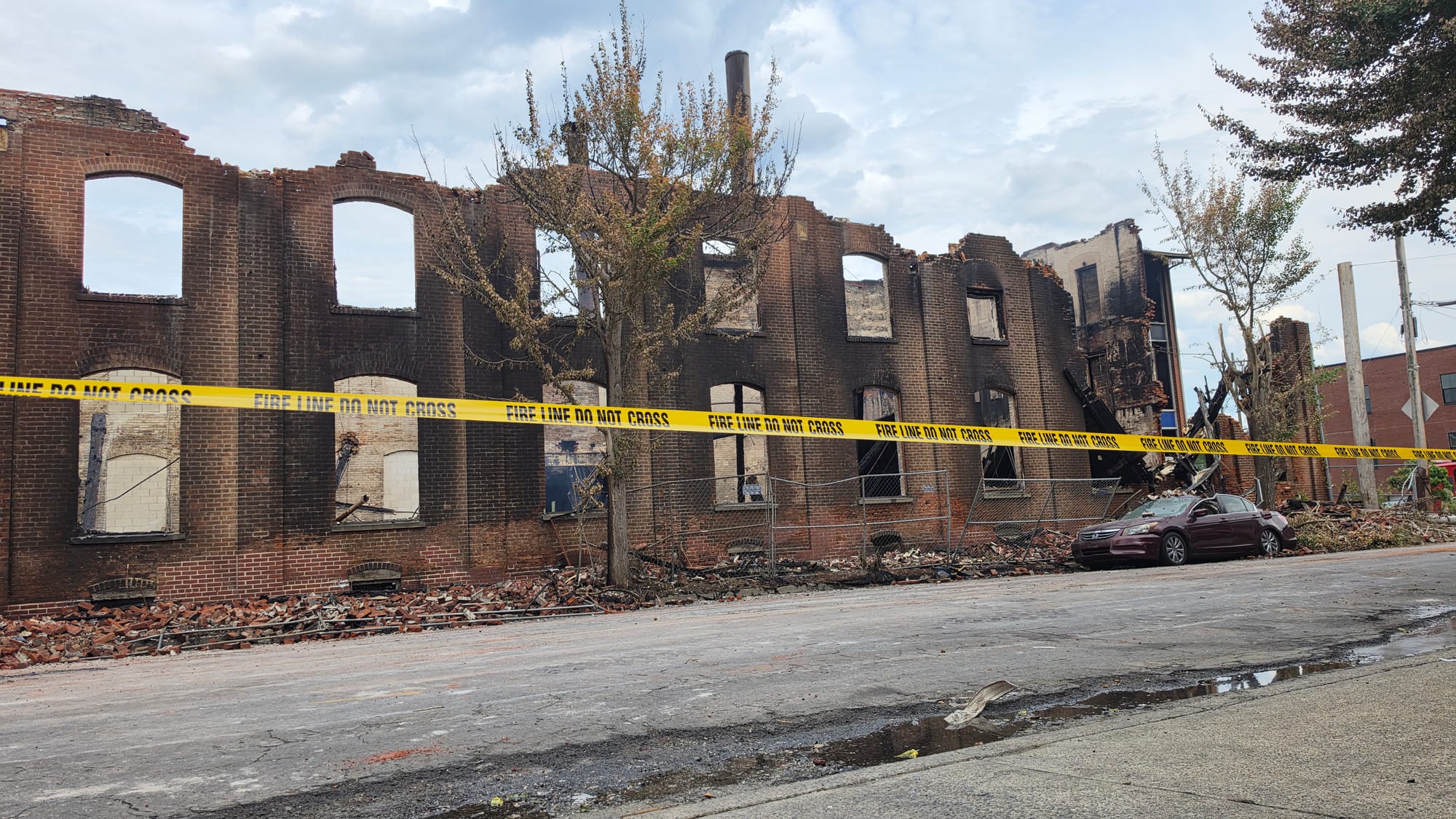
ALLENTOWN, Pa. — As flames engulfed a former factory along Allentown's riverfront June 24 – drawing more than 200 firefighters to one of the city's largest fires in recent memory – another operation was unfolding behind the scenes.
Inside the Lehigh County 911 Center, dispatchers weren't just sending engines, ladder trucks and rescue companies to the six-alarm blaze. They were executing a carefully choreographed series of "move-up" plans, relocating fire companies to stations across Allentown and surrounding communities to ensure residents remained protected if another emergency was reported.
The coordinated response stretched across Lehigh and Northampton counties, with departments simultaneously fighting the fire, covering empty fire stations and maintaining protection in their own communities.
"It's all preplanned," said Don Smith, Lehigh County's director of communications and head of the county's 911 Center. "The dispatchers know exactly what apparatus to send there."
 Jason Addy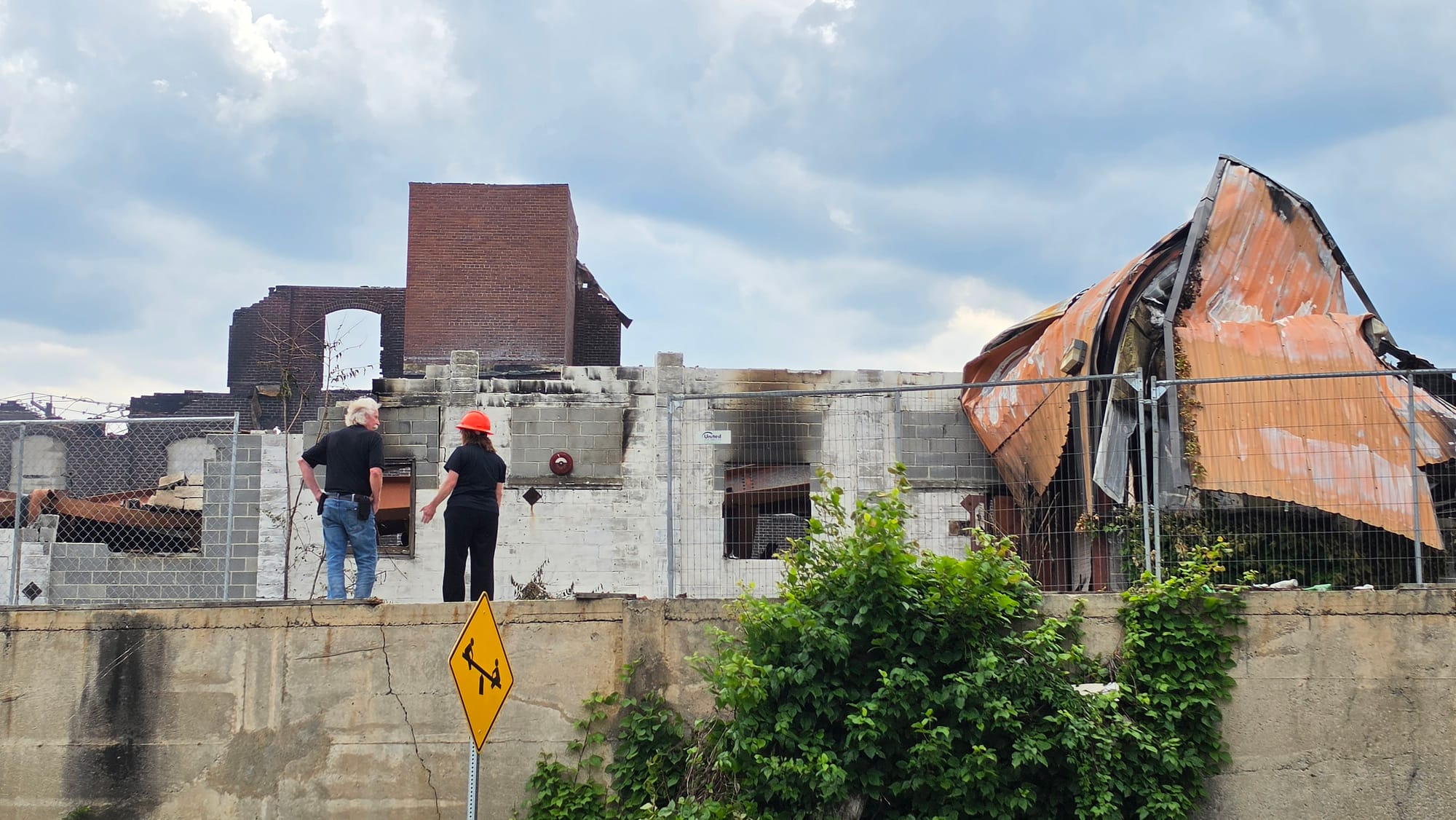
A domino effect across the region
That planning begins long before a fire breaks out.
Dispatch officials work with fire department leaders throughout the county to determine exactly what resources should be dispatched for various emergencies, Smith said.
When a call comes in, dispatchers enter the address and incident type into the county's computer-aided dispatch system, or CAD, which automatically recommends what apparatus is assigned to each alarm level.
"Our CAD knows exactly what to send, from first alarm only to six alarms," Smith said.
When the fire escalated beyond what initial responders could control, a second plan immediately took effect.
"We have an obligation to make sure the city fire houses are covered," Smith said. "Again, that's all preplanned with meetings. The City of Allentown tells us, 'When all of our fire apparatus is busy, these are the mutual-aid departments we want to either move to their stations or, on a third alarm, move up to our stations.'"
Those plans triggered a domino effect across the region.
Stephanie Sigafoos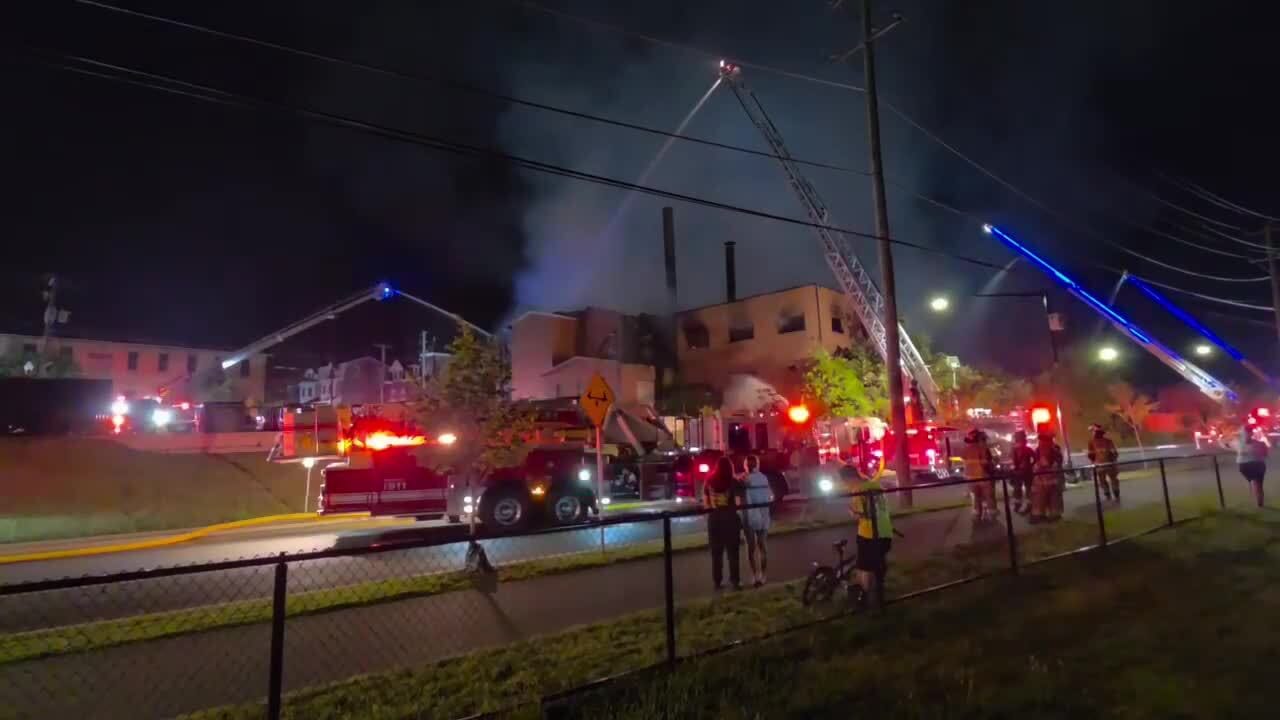
Bethlehem firefighters responded directly to the fire while Bethlehem Township firefighters staffed Hibernia Fire Station on Ridge Avenue in Allentown.
Lower Macungie firefighters sent one engine to the scene while another stood by in the city and some personnel remained home to protect the township.
Upper Macungie firefighters initially covered Allentown's Central Fire Station before being dispatched to the fire; they later returned to continue covering the station.
Elsewhere, Palmerton firefighters covered Catasauqua as Catasauqua crews operated in Allentown.
Han-Le-Co firefighters responded to the fire before later covering parts of the city.
Neffs, Whitehall, Woodlawn, Slatington, Upper Saucon, Western Salisbury, Northampton Borough and Eastern Salisbury all played roles at the fireground, Allentown stations or their own municipalities.
All told, 21 other departments across the Lehigh Valley and a host of other local and regional agencies were part of the effort, with coordination extending well beyond Lehigh County lines.
"We have great relationship with Northampton County 911," Smith said. "It's a simple request, saying, 'We need one engine from the city of Easton.' We call Northampton County 911, tell them what they need, and they send it over."
The objective, he said, is ensuring one major incident doesn't create another.
"The important thing is, (with) an incident like that, when it's involving so many agencies ... we can't strip the entire area, sending them all to the fire (and) leaving other communities unserved," Smith said.
"There might be some communities that were staffed and ready, but we went a little bit further, knowing that we need to keep these companies here to cover in case there's another emergency."
Prepare for the unknown
Planning for a fire of that magnitude also involves anticipating what firefighters may encounter before they arrive.
Fire officials study commercial properties throughout the county, evaluating building size, construction, hazards and water needs so resources can be staged if needed, Smith said.
"The biggest thing is water supply," Smith said. "We also need trucks and apparatus specifically that carry thousands of gallons of water, and they (were) staged in the area."
Although crews ultimately relied on the city's water system, additional water resources were positioned nearby in case they became necessary.
Coordinated emergency plans also must account for the unknown, Smith said.
Firefighters often "don't know what's inside, (they) don't know what they're storing," Smith said.
The six-alarm fire put added strain on Lehigh County's communications center as well.
Jason Addy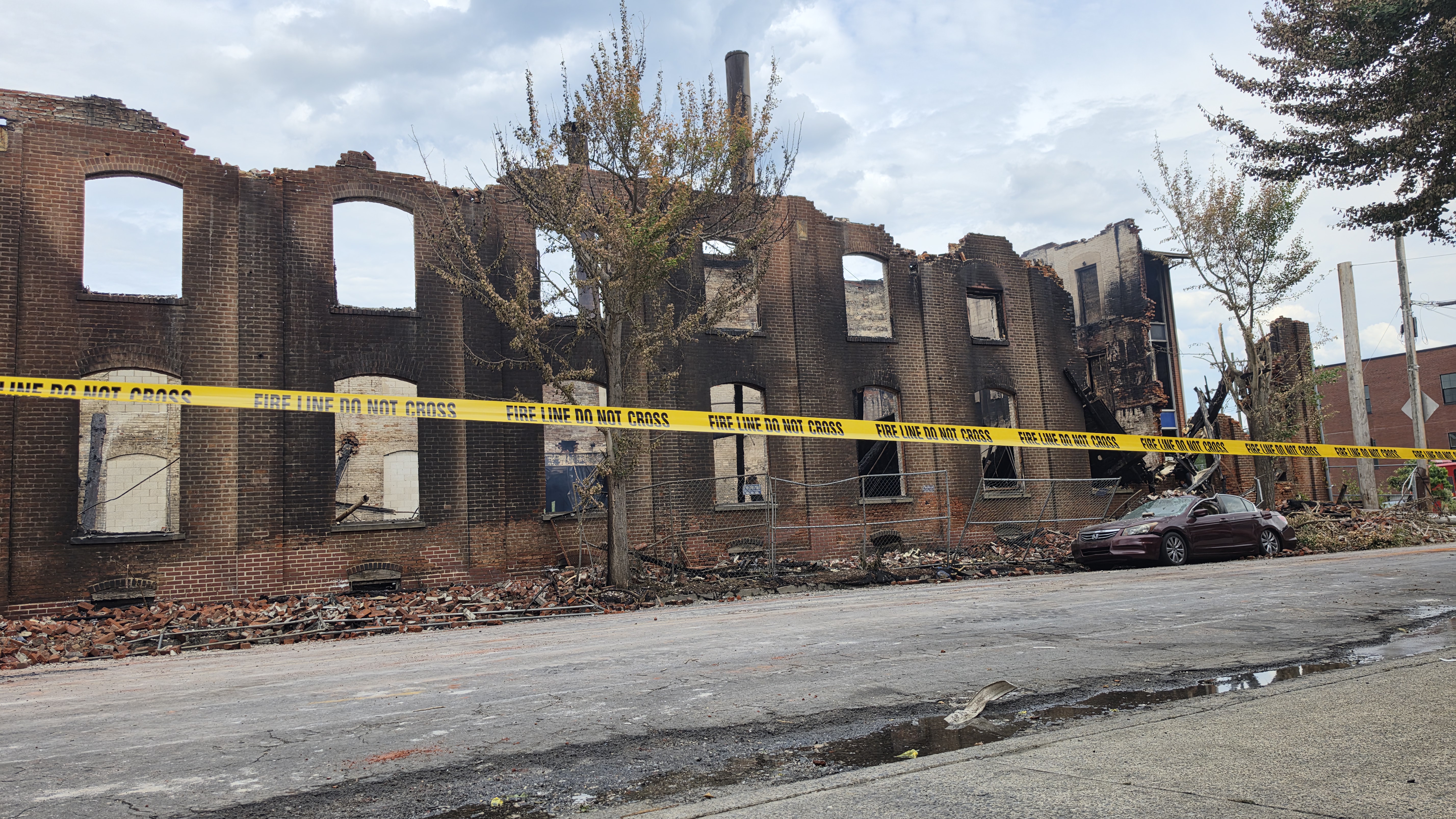
While dispatchers coordinated the growing response to the fire, they continued answering routine 911 calls from throughout the county. The center increased staffing from its normal level of about 12 dispatchers to almost 20 as additional alarms were struck.
"We're still dealing with the everyday emergencies," Smith said. "Immediately when that fire was going (with) multi alarms, and we knew what we had to deal with, we also had to increase our staffing in here."
The additional staffing was assembled quickly through an emergency notification system.
"We advise the staff that we had a very large fire in Allentown – any help would be great," Smith said. "We brought in an additional eight to 10 more dispatchers to help out."
Emergency officials will conduct an after-action review with the Allentown Fire Department to evaluate the response and identify areas for improvement, a process that follows virtually every working fire but becomes more extensive after an incident of this scale, Smith said.
"It doesn't matter how great the incident went, we will always find a little something to improve on," he said.
The fire also highlighted staffing challenges departments face during major emergencies.
"I think every fire department here in Lehigh County will say that incidents like this, or any incident involved (with) multi alarms will strain anybody's staffing," Smith said. "I think staffing on the magnitude of that fire will always be looked at."